What Are the Best Golf Clubs to Buy in 2026?
Choosing the best golf clubs to buy in 2026 is less about chasing the newest logo and more about matching equipment to your swing, budget, and playing goals. The National Golf Foundation’s 2024 participation report counted 47.2 million U.S. golfers in 2023, including on-course and off-course participants. That broad audience has very different needs: a new player may value forgiving irons, while a low-handicap golfer may prioritize precise distance control.
Club fitting matters. Tom Wishon, a golf-club designer and club-fitting specialist, has said, “There is no such thing as a standard golf swing.” His point challenges the idea that one popular driver or iron set suits everyone. A club that feels balanced in a shop can behave differently on your course, especially when a shaft is too heavy or the lie angle does not match your posture.
This guide will compare drivers, irons, wedges, putters, and complete sets across skill levels and price ranges. It will consider forgiveness, distance, feel, adjustability, durability, and fitting options—not just launch claims or tour-player endorsements. Some recommendations may still miss the mark. Personal testing matters, and a launch-monitor number cannot describe every awkward lie or rushed swing. Use the shortlist as a starting point, then test clubs with your own ball and a qualified fitter when possible.

How Golf Club Sets Are Structured
A golf set is a mix of clubs for different distances and lies, not simply a matching bundle. Most sets include a driver, fairway woods or hybrids, irons, wedges, and a putter. The driver is built for long tee shots, while shorter irons and wedges help control approach shots and play around the green. The exact mix varies. That matters.
The USGA and R&A Rules of Golf, Rule 4.1b, limit a player to 14 clubs during a round. That is a ceiling, not a target for every golfer. A common set might use a driver, a few fairway or hybrid clubs, several irons, two or three wedges, and a putter. Players can adjust the mix to suit their skill and the courses they play. One golfer may need an extra hybrid; another may prefer a wedge with a different loft.
Pay attention to distance gaps, not just club labels. If two clubs carry nearly the same distance, one slot may be better used elsewhere. A simple check at a practice range can reveal those overlaps. Start with measured carry distances, then consider the shots you actually face. It is easy to overthink the perfect set. Real results may still surprise you.
The Main Types of Golf Clubs and Their Uses
Driver and fairway woods are built for long shots, but they serve different moments. A driver’s large head and long shaft suit tee shots; fairway woods can help from the tee or a clean lie on the fairway. Irons offer more control for approach shots. Their numbered heads generally cover different distances, though the gaps vary by player.
Hybrids combine features of woods and irons. They can be easier to launch than long irons, especially from rough. Wedges handle short, high shots and greenside bunkers; a putter is designed for rolling the ball on the green. The USGA and R&A limit players to 14 clubs under Rule 4.1b. Small gaps matter. A bag should cover useful distances, not simply contain every club type.
The National Golf Foundation’s 2024 participation report counted 47.2 million U.S. golfers in 2024, including people playing off-course formats. That broad audience has varied needs, so no single set suits everyone. During a fitting, compare carry distances and watch how each club launches from real lies. A hybrid may rescue a rough shot, yet feel awkward to another golfer. That judgment is imperfect; turf, swing speed, and confidence all affect results.
What Are the Best Golf Clubs to Buy in 2026? - The Main Types of Golf Clubs and Their Uses
The best clubs depend on your swing, skill level, course conditions, and preferred feel. Use this guide to compare the main club types and the jobs they are designed to do.
| Club Type |
Typical Loft Range |
Main Use |
What to Consider When Buying |
| Driver |
About 8°–13.5° |
Long tee shots, usually on par-4 and par-5 holes. |
Choose a loft and head design that help you launch the ball consistently and keep it in play. Newer or slower-swinging golfers often benefit from more loft and a forgiving head. |
| Fairway Wood |
About 13°–21° |
Long shots from the tee or fairway; higher-lofted models can also be useful from the ground. |
Consider how easily you can strike it from the turf. A higher-lofted fairway wood can be easier to launch than a lower-lofted option. |
| Hybrid |
About 16°–30° |
Long approach shots and recovery shots; often used in place of harder-to-hit long irons. |
Compare its loft and expected distance with the clubs around it in your set to avoid large distance gaps. |
| Long and Mid Irons |
Roughly 18°–35° |
Longer approach shots and shots where a lower, more penetrating flight is useful. |
Irons with more loft are generally easier to launch. Many golfers choose hybrids or higher-lofted fairway woods instead of the longest irons. |
| Short Irons |
Roughly 36°–48° |
Controlled approach shots into the green, with distance and trajectory shaped by the iron’s loft. |
Look for predictable carry distances and a comfortable feel. A fitting can help match shaft length, lie angle, and shaft characteristics to your swing. |
| Pitching Wedge |
About 42°–48° |
Approach shots, lower chips, and longer pitches around the green. |
Check its loft against your set’s shortest iron and next wedge; modern iron sets can have different pitching-wedge lofts. |
| Gap Wedge |
About 48°–54° |
Fills the distance gap between a pitching wedge and a sand wedge. |
Select the loft based on the actual loft of your pitching wedge and the carry distances you need to cover. |
| Sand Wedge |
About 54°–58° |
Bunker shots and shorter shots around the green. |
Sole design and bounce influence how the club interacts with sand and turf. Choose them with your usual conditions and delivery in mind. |
| Lob Wedge |
About 58°–64° |
High, short shots that need to stop quickly, when the shot and lie allow. |
A higher-lofted wedge can be less forgiving. Consider whether it adds a useful shot without creating an awkward distance gap. |
| Putter |
Face loft commonly about 2°–4° |
Rolling the ball on the green and making most shots close to the hole. |
Prioritize comfortable length, alignment, balance, and a face feel that helps you start putts consistently. |
Buying tip: Loft ranges are approximate and vary by set and design. Build a balanced selection around reliable distance gaps, clubs you can hit confidently, and the maximum of 14 clubs allowed in a round under the Rules of Golf.
What Makes a Golf Club a Strong Buy in 2026
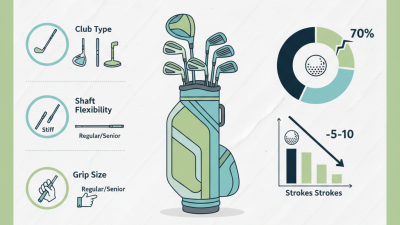
A strong golf-club buy in 2026 should suit your swing, not just promise more distance. Fit matters more. Check shaft length, flex, grip size, and clubhead design against your speed and usual miss. A forgiving head may help preserve direction on off-center strikes, while a skilled player may prefer more control. Compare carry distance and shot dispersion, not only the longest ball. Newer is not always better; last year’s well-fitted club may outperform a costly update.
Tips: Hit several options with the same ball, then note carry, launch, and how often shots finish near your target. Try them from real turf if possible. A few swings can mislead.
Also consider the full set, not one impressive club. Matching gaps between clubs can prevent awkward distance overlaps, especially between irons and wedges. Check the club’s condition, adjustment range, and return terms before buying. Technology claims can sound precise, but your results may vary with weather, strike, and practice. It is easy to overvalue a sleek look or one long shot; I would give repeatable contact more weight. If possible, test clubs over more than one session before deciding.
Best Club Categories for Different Skill Levels
For new golfers and high-handicap players, forgiveness should outweigh a thin, tour-style look. Cavity-back irons, hybrids, and a higher-lofted driver can help mishits travel farther and launch more easily. The National Golf Foundation’s 2024 participation report counted 26.6 million U.S. on-course golfers in 2023, a reminder that equipment must serve a wide range of abilities. Beginners should prioritize comfortable grip, manageable weight, and a putter that feels steady. Feel matters.
Mid-handicap players often benefit from a blended set: forgiving long irons or hybrids, paired with more workable short irons. Lower-handicap golfers may prefer compact cavity-backs or muscle-back irons, but only if they strike the ball consistently. That rule is imperfect; even skilled players can struggle with demanding clubs on tired days. A fitting session can compare launch, carry distance, and dispersion, rather than relying on appearance or a single good shot. Check wedge loft gaps, too. Small gaps matter.
Tips: Test clubs on grass, not only a launch monitor mat. Bring your current set and note carry distances. If a club repeatedly leaves a large distance gap, adjust the set makeup before buying a full replacement.
How to Choose, Test, and Buy the Right Clubs
Choosing clubs for 2026 starts with your swing, not a trend. A golfer who often misses right may need a different setup from someone who hits low hooks. Track your usual miss, carry distance, and comfort before shopping. Bring your current clubs; a simple comparison can show whether a new set truly helps. Ask a qualified fitter to check shaft flex, lie angle, and distance gaps. Better numbers, not hype.
Tips: Test several shots with each club, not just your best swing. Note where the ball lands and how solid contact feels. Try clubs on grass if possible; mats can hide poor turf interaction. Keep honest notes.
Set a budget that includes fitting and any needed adjustments. If you consider used clubs, inspect the grooves, shafts, and grips for wear. Ask about trial or return terms before paying. Distance can be seductive, but a repeatable flight matters more than one impressive shot. I’d still compare carefully; a club that feels perfect in a shop may behave differently on the course.