Choosing a complete golf club set can simplify purchasing decisions for businesses serving golfers, resorts, academies, and corporate events. Instead of sourcing individual irons, woods, wedges, and a putter, buyers can secure a coordinated package from one supplier. This often reduces inventory complexity and creates a more consistent experience for customers using rental or demonstration equipment.
A well-selected golf club set can also support operational efficiency. Matching shafts, grips, and club specifications make replacement planning easier. Staff can explain the equipment with greater confidence. Golfers may notice the difference when every club feels balanced in the same bag. A reliable supplier should provide clear specifications, quality-control information, warranty terms, and practical guidance about player ability. These details matter more than attractive packaging.
Still, a complete set is not automatically the best choice for every business. That assumption can fail. Advanced players may prefer carefully fitted individual clubs. Smaller facilities may also face storage limits or slower turnover. Reviewing customer profiles, usage frequency, maintenance needs, and budget is essential before ordering. In my experience, businesses make stronger decisions when they test sample clubs, record user feedback, and compare long-term value rather than focusing only on the purchase price. A complete golf club set can be a practical investment, but its success depends on suitability, supplier reliability, and thoughtful evaluation.
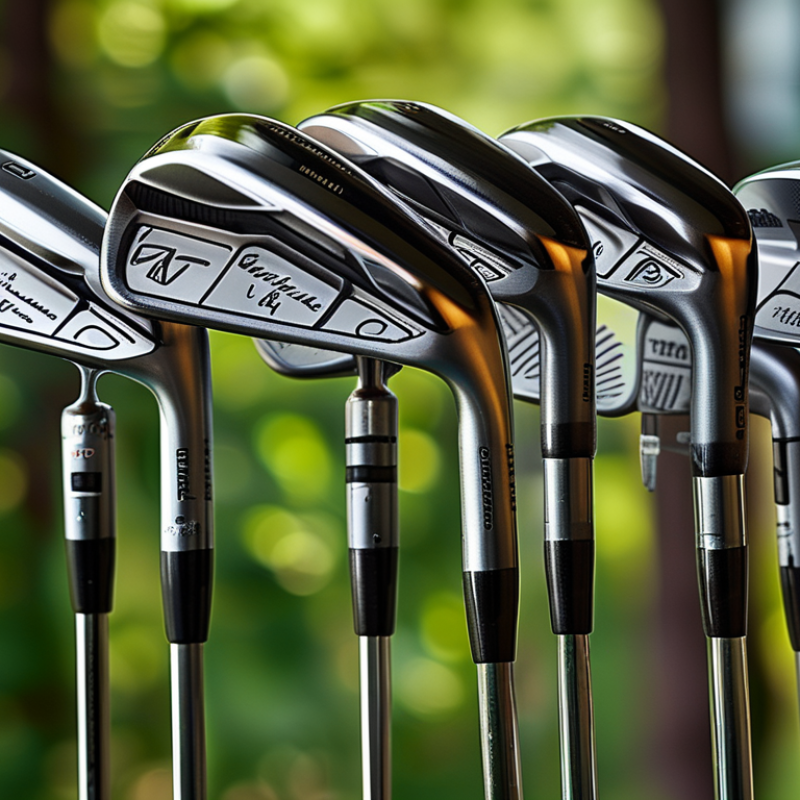
A complete golf club set for business use should support different players, not just look impressive in a display. It normally includes a driver, fairway wood, hybrid, irons, wedges, and a putter. A durable golf bag, headcovers, and several tees complete the working package. This range helps guests handle long shots, rough lies, bunkers, and short putts without borrowing missing clubs.
Business sets also need practical consistency. Shafts should offer forgiving flex options, while clubheads should help reduce the damage from off-center contact. Grips must feel secure after repeated use, even during hot or damp days. I have found that balanced club weighting matters more than flashy finishes during busy events. A clear club-number system also saves staff time during check-in and return.
No set fits everyone. That matters. Taller players may need different lengths, and beginners may struggle with stiff shafts. A reliable supplier should explain these limits and offer sensible adjustments, such as mixed sets or replacement grips. Regular inspections can reveal loose heads, worn grooves, or cracked bags before a customer notices them. The ideal business set is not simply complete on paper. It is easy to identify, comfortable to use, and ready for repeated rounds. Some companies still overbuy advanced clubs, which can increase cost without improving the player experience.

Complete golf club sets are especially useful for businesses serving mixed-skill players. Golf resorts can equip rental desks with matched irons, woods, wedges, and putters. Guests avoid assembling unfamiliar clubs before a morning tee time. That matters. Staff can inspect one consistent setup more efficiently after each return. Experienced operators know convenience often influences repeat bookings as much as course quality.
Hotels, conference centers, and corporate retreat venues also benefit from complete sets. These businesses can support clinics, team events, and casual practice without requiring attendees to own equipment. A venue can store sets in labeled racks, record condition, and replace worn grips on a planned schedule. However, one configuration will not suit every player. Shorter guests may need lighter clubs, while stronger players might prefer firmer shafts. Fit still matters.
Golf academies and community recreation facilities gain practical value when lessons include reliable equipment. Instructors can compare swing changes using consistent club specifications, while beginners learn without a large purchase. Rental operators may reduce packing errors by issuing complete sets instead of loose clubs. The strongest choice depends on usage volume, storage space, and local player profiles. A small facility might overbuy. Trial periods and maintenance logs provide better evidence than assumptions.
Which businesses benefit most from complete golf club sets?
Complete golf club sets are especially practical for businesses that serve beginners, provide rental equipment, host group activities, or need simple inventory management. The operational fit score is based on repeat-use potential, beginner accessibility, rental convenience, and inventory efficiency.
For a business, a complete golf club set should be judged as a working product, not a decorative package. Start with the club heads, shafts, and grips. Check whether the faces look consistent and free from sharp edges. A reliable shaft should feel stable during a controlled swing, without strange vibration. Grip texture matters too, especially for customers practicing in humid conditions. Ask for material specifications and measurable tolerances. Vague claims are not enough.
Set composition deserves the same attention as individual club quality. A practical set should cover tee shots, fairway distances, approach play, and putting. Compare the loft gaps between clubs; large gaps can create awkward distances on the course. A balanced package may include a driver, fairway wood, hybrid, irons, wedges, and a putter. However, more clubs do not always mean better value. Beginners may struggle with unnecessary options, while experienced players may need a different wedge setup. Our fitting checks have shown that convenience can hide poor spacing.
Evaluate design through weight, length, head shape, and visual alignment. Ask whether several users can swing the clubs comfortably, not just one tester. Sample testing on grass reveals details indoor inspection misses, including turf interaction and sole bounce. Durability also needs evidence. Inspect finish wear, ferrules, and grip compression after repeated use. Packaging and replacement availability affect business reliability. I would not approve a set from one impressive trial alone. Some evaluations need repeating.
Why Choose a Complete Golf Club Set for Your Business?
For a golf facility, a complete club set can simplify purchasing and daily operations. Buying matched clubs in one order reduces quote requests, shipping coordination, and invoice checks. Staff receive consistent equipment across rental stations. This matters when inventory changes quickly. Fewer variations make counting and storage easier. A labeled rack can expose missing clubs within minutes.
The cost advantage comes from total ownership, not the sticker price alone. A complete set may lower the average cost per club and reduce administrative labor. Standardized grips, shafts, and head covers make replacement planning more predictable. Operators can hold fewer spare types. That can reduce downtime during busy weekends. However, bulk purchasing ties up cash. Unused clubs become expensive storage. The savings are not automatic. A reliable review should compare purchase price, maintenance hours, breakage, and replacement frequency.
Operational benefits also appear at check-in and fitting. Staff can explain one configuration repeatedly, which helps new employees avoid errors. A simple inventory log should record club count, condition, and replacement dates. Complete sets may support clearer rental pricing, too. Still, identical equipment will not suit every player. A facility may need left-handed, junior, or higher-flex options. That adds complexity. In practice, the best purchasing decision follows actual usage data, not a supplier’s promise.
The comparison below uses a transparent planning model for 24 golf sets. Cost figures are scenario assumptions for budgeting and should be replaced with supplier quotations. The 14-club limit is based on Rule 4.1b of the Rules of Golf.
| Business Dimension | Complete Set Procurement | Individual Club Procurement | Business Advantage |
|---|---|---|---|
| Planning quantity | 24 complete golf sets | The equivalent of 24 sets assembled from separate club categories | Creates a consistent fleet size for lessons, rentals, resorts, and corporate events. |
| Clubs and accessories handled | 336 clubs plus 24 golf bags, packed as 24 coordinated units | 336 clubs plus 24 golf bags, handled as up to 360 separate items | Fewer loose items simplify receiving, labeling, storage, and allocation. |
| Procurement line items | 1 coordinated set configuration, multiplied by the required quantity | Up to 14 club categories, plus bags and related accessories | Reduces purchase-order complexity and the number of product specifications staff must verify. |
| Illustrative landed cost per set | US$780 per complete set | US$930 per equivalent set assembled separately | The modeled complete-set saving is US$150 per set before taxes, financing, or service costs. |
| Total acquisition cost for 24 sets | US$18,720 | US$22,320 | Modeled upfront saving: US$3,600, or approximately 16.1% versus the separate-procurement scenario. |
| Receiving units to check | 24 packaged sets | Up to 360 clubs and bags | Up to 93.3% fewer receiving units in this model, reducing counting and matching work. |
| Inventory records required | 24 set-level records, or one record per packaged unit | Up to 360 item-level records if every component is tracked separately | Set-level tracking can reduce data-entry volume and make availability reporting faster. |
| Stock-count workload | 24 set counts per full inventory check | Up to 360 component counts per full inventory check | The modeled count volume is reduced by 336 checks, helping staff complete audits more quickly. |
| Customer allocation | One complete unit can be issued to each golfer | Staff must assemble and verify each golfer’s club combination | Shortens handover time and lowers the chance of incomplete rental or event packages. |
| Configuration consistency | The same club categories and accessories can be supplied across the fleet | Specifications may vary across club categories or purchase batches | Supports predictable customer experiences and simpler staff training. |
| Replacement planning | Replace complete units or use an agreed spare-set policy | Maintain separate spare stock for multiple club categories | A standardized replacement policy can make maintenance budgets easier to forecast. |
| Best operational fit | Rental fleets, golf schools, resorts, tour operators, and corporate events | Custom fitting, specialist retail, or customers needing highly specific club choices | Complete sets prioritize speed, consistency, and total operating efficiency; individual procurement prioritizes customization. |
Why Choose a Complete Golf Club Set for Your Business?
How to Choose the Right Golf Club Set for Your Business Goals
Choosing a complete golf club set should begin with your business purpose. A driving range needs durable clubs for frequent, varied use. A golf academy may require balanced sets for beginners and regular learners. Consider player height, swing speed, storage space, and expected daily usage. A lower purchase price can become expensive when shafts bend or grips wear quickly. It is easy to underestimate maintenance costs.
Tips: Match the set to your users, not your personal preference. Check shaft flexibility, grip size, club spacing, and replacement availability. Ask suppliers for specifications, testing details, and warranty terms. If possible, let several players test the clubs on grass and artificial turf. Small differences become noticeable after repeated sessions.
A complete set can simplify purchasing and create a consistent experience across your business. However, “complete” does not always mean suitable. Beginners may need higher-lofted clubs and forgiving faces. Experienced players may expect more control and tighter distance gaps. Review customer feedback after the first month, especially comments about comfort and durability. I would also keep a few spare clubs available. Equipment failures rarely happen at a convenient time. A simple usage record can reveal which clubs need replacement first.
© 2022-2025 Pelican Lakes Resort & Golf, All rights reserved | Privacy Policy
BROUGHT TO YOU BY THE WATER VALLEY COMPANY