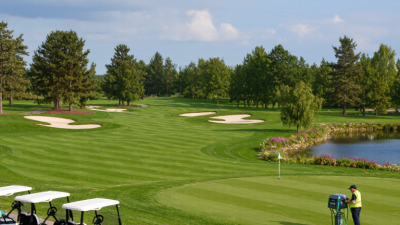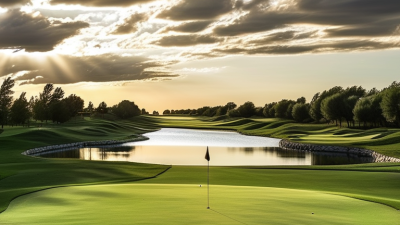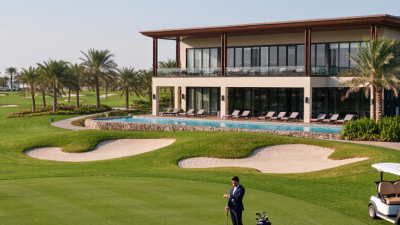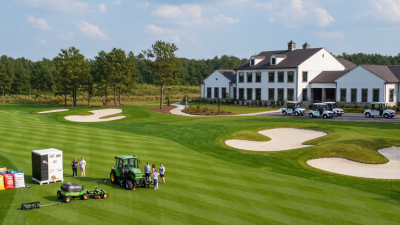
A national golf course can sound like a precise category, but the label does not mean the same thing everywhere. It may describe a course owned or supported by a national government, a venue representing a country, or simply a course with “National” in its name. The details matter. Check who operates the course, who can play, and what the designation actually refers to.
A useful way to understand the subject is to look beyond the name. Consider a coastal course with wind-bent grass, firm fairways, and public tee times. Its national identity may come from its ownership, setting, or role in the country’s golf history—not from one universal rule. Golf course architect Pete Dye said, “Golf is a game of inches. The most important are the six inches between your ears.” His remark is about judgment on the course, not a formal definition, but it points to an important part of the experience: design and play both shape a course’s character.
This guide explores what makes a national golf course, how national ownership or status may apply, and what visitors should check before booking. Names can mislead. So can assumptions. A course may be nationally significant yet privately operated, or publicly accessible without being government-owned. Understanding those distinctions makes the label more useful—and leaves room to question what “national” really means.
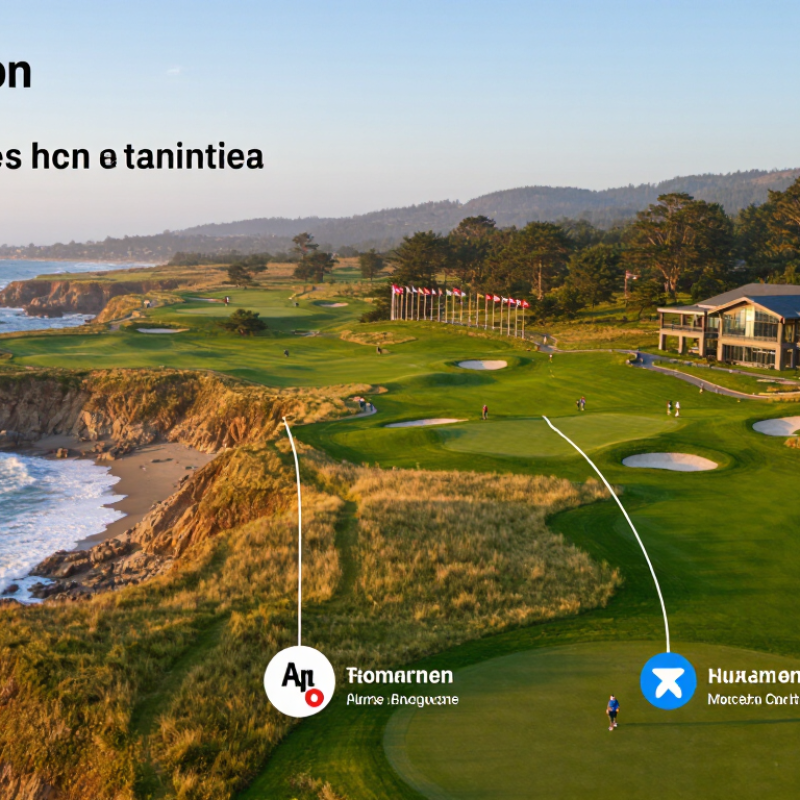
A national golf course is not a universally standardized category. The term usually describes a course owned or managed by a national government, or one formally recognized as nationally significant. Usage varies by country. It does not automatically mean a championship venue, a free public facility, or a course open to every visitor. Ownership, fees, booking rules, and public access depend on local arrangements. The name alone can be misleading.
Industry data helps explain why these distinctions matter. The National Golf Foundation’s 2024 National Golf Participation Report recorded 28.1 million U.S. on-course golfers in 2023; its broader estimate reached nearly 45 million when off-course formats were included. The R&A’s 2023 Global Golf Participation Report counted 61.6 million on-course golfers across 146 countries. These figures describe participation, not course ownership. Still, they show how definitions shape what gets counted. A government-run course might welcome residents and visitors, while another nationally designated site may limit access or require advance booking. Check the operator’s stated access policy before assuming what “national” means. Even official labels can leave room for interpretation.
“National golf course” is not a standardized golf-course size or format. The chart shows typical par totals for common 9-hole and 18-hole layouts.
Meaning: The word “national” may describe a course’s country-level role, ownership, or name; it does not specify the number of holes. Par totals vary by course.
The phrase “national golf course” does not have one universal meaning. In some countries, it describes a course owned by a national government; elsewhere, it may simply signal public access or national importance. Ownership and management are separate questions. A government, local authority, public trust, or private operator may hold different responsibilities. That distinction matters. Public ownership does not automatically guarantee affordable tee times, and private management does not necessarily mean restricted access. Visitors should check who sets fees, maintains the grounds, and oversees public use.
Management combines long-term planning with small daily decisions. Staff schedule tee times, repair worn greens, maintain bunkers, and keep paths safe after rain. They also balance golf with water conservation, wildlife protection, and access for nearby communities. Clear budgets and published policies help people understand how fees support the course. Conditions can still vary across seasons, and a carefully planned maintenance schedule may not prevent every rough patch. That is part of the work, not always a neat story. A responsible operator should explain closures, course changes, and spending in plain language, while giving players a practical way to raise concerns.
A national golf course is not defined by one standard layout. Its design usually reflects local terrain, climate, budgets, and the level of play it serves. Designers may route holes around existing trees, slopes, or wetlands, rather than reshape every feature. A gentle opening hole can help newcomers settle in, while narrower fairways and guarded greens add challenge later. Good routing also limits long walks between holes and keeps maintenance practical. The balance is not always perfect.
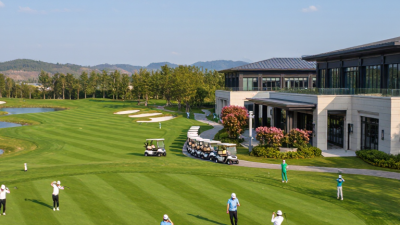
Common facilities often include a clubhouse, changing rooms, toilets, a pro shop, and food service. Practice areas may offer a driving range, putting green, or short-game area. These details affect how comfortable a visit feels. A shaded bench near a tee, clear hole signs, and drinking water can matter as much as a polished entrance. Accessible paths and well-marked routes are useful for visitors with different mobility needs. Facilities vary by course, so the word “national” does not guarantee the same amenities everywhere.
Tips: Check the course map before arrival. Note walking distances, practice-area hours, and available refreshments. If possible, look for shade between holes. Small planning helps, though weather can still change the round.
| Dimension | Typical Features | Details |
|---|---|---|
| Meaning | A course with a national or public-service association | The term is not standardized worldwide. It may describe a course owned or managed by a national government or public authority, but the name alone does not establish who owns or operates it. |
| Course format | Often 18 holes; shorter formats also exist | An 18-hole course is a common full-length format. Some facilities offer 9-hole courses, shorter layouts, or practice-only areas. |
| Par and layout | Par varies; many 18-hole courses are par 70–72 | Par is based on the expected number of strokes for each hole. The total depends on the course design and the combination of par-3, par-4, and par-5 holes. |
| Course routing | A sequence of holes shaped around the site | Designers arrange holes to suit the terrain, available land, drainage, safety, and environmental conditions. A layout may cross varied slopes, woodland, open ground, or coastal terrain. |
| Playing surfaces | Tees, fairways, greens, and rough | Tees are starting areas; fairways provide a shorter playing surface; greens surround the holes; and rough is generally longer grass beside the main playing areas. Turf types and maintenance practices vary by climate. |
| Course hazards | Bunkers and natural or constructed penalty areas | Bunkers contain sand. Penalty areas may include water or other marked areas where a ball is difficult or unsafe to play. Their placement can influence shot choices and challenge. |
| Practice facilities | Practice green and, where space allows, a driving range | A putting green lets golfers practise short putts. A driving range provides space to practise longer shots; availability, capacity, and permitted equipment differ by facility. |
| Clubhouse | Reception and golfer amenities | A clubhouse may include check-in services, changing rooms, toilets, seating, and food or beverage service. These amenities are common but are not guaranteed at every course. |
| Equipment and services | Equipment counter, rentals, or golf-cart services | Some facilities sell or rent golf equipment and offer carts. Services depend on the operator, local rules, terrain, and the course’s operating arrangements. |
| Access and operations | Paths, parking, signage, and maintenance areas | Cart paths may be provided for vehicle movement, while signs help direct play and identify hazards. Parking and maintenance facilities support daily operations; public access and fees vary by course. |
A “national golf course” is not a single, universally defined type of course. The name may describe a facility owned or managed by a national government, or simply one considered important to a country’s golf heritage. Check the operator’s website before planning a visit. Ownership and access rules vary.
Public access can mean open booking, not unrestricted play. Some courses accept visitors daily; others reserve peak times for members, local residents, or organized events. Green fees often change by season, day, and time. A weekday afternoon may cost less than a weekend morning, while equipment rental and a caddie can add to the bill. Ask about walking rules, cancellations, and required handicap credentials before you travel. Small details matter.
Playing conditions depend on climate, maintenance, and course design. A coastal layout might bring firm turf and gusty winds; a highland course may have cooler air and uneven lies. Rain can soften fairways or close a course, even when the clubhouse remains open. Check recent conditions, not just promotional photos. Bring layers. And allow extra time: unfamiliar greens and local rules can make a round slower than expected. The course may be public, yet tee times can still be scarce.
“National golf course” does not have one standard meaning worldwide. It may describe a course owned or managed by a national government, or simply a prominent course with a national profile. Check the course’s ownership and access rules; the name alone can mislead. The National Golf Foundation reported 15,963 golf facilities in the United States at the end of 2023, with roughly three-quarters offering public access. That broad public category includes municipal, daily-fee, and resort courses—not just courses called “national.”
The key difference is usually access, not the quality of the fairways. Municipal courses are generally operated by local governments and may offer relatively affordable tee times. Private clubs commonly require membership, while resort courses serve guests and may charge higher rates during peak seasons. A national course could fit any of these models. Its greens may be immaculate, but so may those at a modest city course. The distinction is not always tidy.
Tips: Before booking, check who can play, whether a handicap is required, and what the green fee includes. Look at recent course-condition reviews, too. A beautiful clubhouse tells you little about today’s bunkers. If the course’s “national” status matters, confirm it through an official course or government source.
© 2022-2025 Pelican Lakes Resort & Golf, All rights reserved | Privacy Policy
BROUGHT TO YOU BY THE WATER VALLEY COMPANY