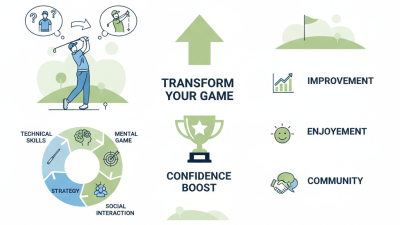
Top Golf Instruction Tips for 2026 You Need to Know?
Golf instruction is evolving rapidly. With advancements in technology and training techniques, golfers can enhance their skills like never before. Renowned golf coach Mike Adams once said, "The best instruction adapts to the player's unique style." This highlights the importance of personalized coaching in today’s landscape.
In 2026, understanding the fundamentals remains essential. However, it is crucial to combine traditional techniques with modern strategies. Many golfers struggle to identify their weaknesses. This makes tailored golf instruction invaluable. You should consider metrics that monitor your progress. Lack of feedback can hinder improvement.
Golf instruction is not just about mechanics; it's also about mindset. Developing a strong mental game can elevate your performance. Yet, many overlook this crucial aspect. As you immerse yourself in learning, remember to reflect on your challenges. Each setback can lead to valuable insights for improvement.

Essential Golf Swing Fundamentals for Beginners in 2026
Golf is a sport that requires a solid foundation. For beginners in 2026, mastering the essential swing fundamentals is crucial. Focus on grip and stance first. A proper grip allows better club control. Your stance should be shoulder-width apart to maintain balance. This sets the stage for a fluid swing.
Next, pay attention to your posture. Stand tall, but relax your shoulders. Bend slightly at your hips, not your waist. Keeping your head still during the swing is vital. Many new golfers tend to lift their heads too soon. This disrupts their swing path and accuracy. Practice in front of a mirror to gain awareness of your movements.
Another common challenge is maintaining rhythm. Rushing through the swing leads to inconsistencies. Instead, try counting to three as you wind up. This helps in developing a smoother, more controlled motion. Reflect on each swing. Record your practice sessions and review them. Learn from both good and bad swings. This self-assessment can greatly improve your skills.
Advanced Techniques to Enhance Distance and Accuracy in Your Golf Game
Enhancing distance and accuracy in your golf game requires focused techniques. Start by refining your grip. An improper grip can lead to inconsistent shots. Practice holding the club with light pressure, allowing for a natural swing. This simple adjustment may feel unusual at first but can significantly improve your control.
Next, pay attention to your stance. A solid stance offers the foundation for powerful swings. Position your feet shoulder-width apart. Align your body toward the target. This setup gives you stability and helps maintain balance throughout your swing. Many amateur golfers overlook this aspect, but it can make a crucial difference.
Lastly, analyze your swing mechanics. Often, players try to overpower the ball. Instead, focus on swing tempo. A smooth, rhythmic swing increases both distance and accuracy. Video yourself during practice. Watching your swing helps identify flaws. Adjustments can then be made, leading to noticeable improvement. There’s always room for growth; embracing this mindset is part of the journey.
Mental Strategies for Improving Focus and Confidence on the Course
Mental strategies play a crucial role in enhancing your focus and confidence on the golf course. A strong mindset can lead to better performance and lower scores. You might find that visualizing your success is a powerful technique. Imagine each swing and putt going perfectly. This mental practice helps to build confidence and reduces anxiety during play.
One key aspect is to establish a pre-shot routine. This should be consistent and calming. It can be something as simple as taking a deep breath or aligning your feet. This helps create a sense of control. When you feel in control, your focus sharpens, and you play more effectively.
Another important strategy is to embrace mistakes. No golfer is perfect. Each round will have ups and downs. Reflect on what didn’t work without dwelling too long. Accepting faults allows you to move forward positively. Consider what you can learn from each round. This shift in perspective can significantly enhance your overall mental game. Adjusting your focus from result-oriented thoughts to the process can lead to long-term improvements on the course.
Utilizing Technology and Analytics for Personalized Golf Training
In the realm of golf instruction, technology and analytics have become invaluable tools for personalized training. Advanced devices offer real-time data on swing speed, angle, and trajectory. For many golfers, this information can provide a clear picture of their strengths and weaknesses. Yet, a reliance on data alone can lead to over-analysis, potentially causing more confusion than clarity.
Mobile apps and wearable technology can track progress over time. They allow players to view detailed metrics about each shot and overall performance statistics. However, it's essential to remember that numbers don’t tell the whole story. A golfer’s emotional state and mental focus also play crucial roles in performance. While technology provides insights, personal reflection is necessary for true growth.
The integration of analytics can lead to tailored instruction models. Coaches can create customized practice plans based on specific data points. But sometimes, the emphasis on technology can overshadow fundamental skills. Players may forget the importance of feel and intuition in their game. Thus, balancing tech-driven insights with traditional coaching methods remains vital. Relying solely on gadgets could hinder personal development on the course.
Understanding Course Management for Better Decision-Making in Golf
Course management is crucial for any golfer looking to improve their game. It goes beyond just hitting the ball well. It's about making smart decisions based on the situation at hand. Every shot on the course requires strategy. Understanding which club to use and where to aim can make a huge difference in your score.
Assessing risks and rewards is key. For example, choosing to go for a difficult pin placement can lead to trouble. Instead, play for a safer spot on the green. This approach emphasizes patience. You might find yourself in a better position for your next shot. It’s often easy to feel pressure to take aggressive shots, but wisdom in decision-making is vital.
Reflection plays an important role too. After a round, think about your choices. Did you take unnecessary risks? What could have been done differently? Analyzing your decisions sharpens your skills and expands your understanding of the course. With each game, you learn more about effective strategies. This ongoing process fosters growth, leading to a more confident and enjoyable experience on the links.
Top Golf Instruction Tips for 2026 You Need to Know? - Understanding Course Management for Better Decision-Making in Golf
| Tip |
Description |
Importance |
Recommended Practice |
| Know Your Distances |
Understand how far you hit each club to make better decisions on the course. |
High |
Practice with a launch monitor to track distances. |
| Play to Your Strengths |
Utilize your best skills when making decisions during a round. |
Medium |
Review rounds where you scored well and identify your strengths. |
| Manage Risks |
Evaluate potential hazards before making a shot. |
High |
Practice visualizing your shots and the risks involved. |
| Develop a Pre-shot Routine |
Create consistency in your game by having a routine before each shot. |
Medium |
Practice your routine on the range and during practice rounds. |
| Learn Course Layout |
Familiarize yourself with the course design and strategy. |
High |
Walk the course or use course maps to plan your shots. |