Top Golf Ball Manufacturers to Consider in 2026?
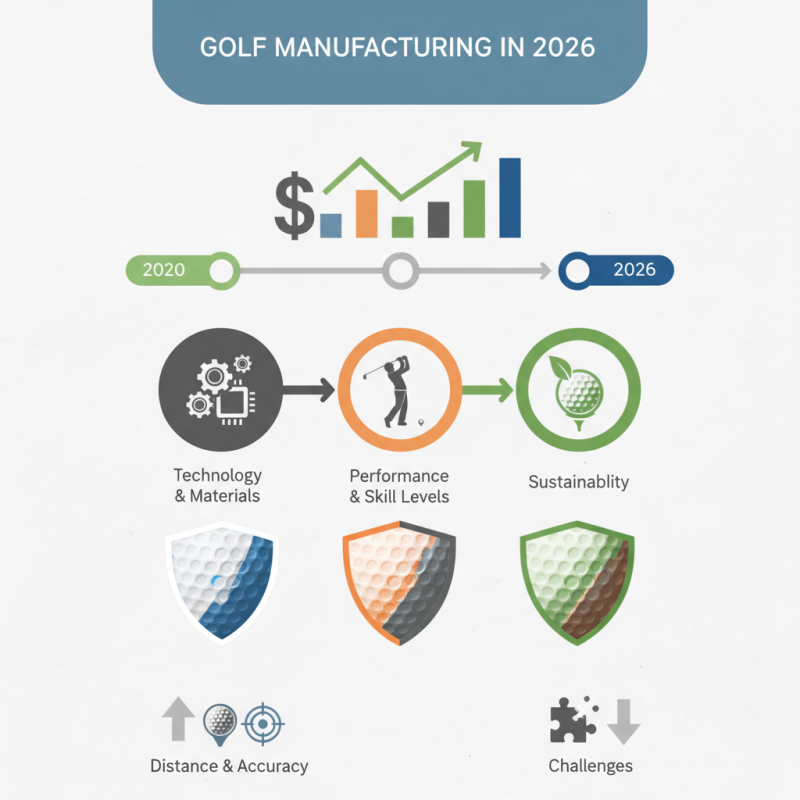
In the evolving golf industry, selecting the right Golf Ball Manufacturer is crucial for enthusiasts and professionals alike. By 2026, the golf ball market is projected to reach over $3 billion, driven by advances in technology and materials. Leading brands continually innovate to enhance performance, offering players a range of options tailored to their skill levels.
Within this competitive landscape, understanding the strengths of various golf ball manufacturers is essential. Companies like Titleist, Callaway, and Bridgestone are recognized for their commitment to quality and performance. Titleist, for instance, has dominated the industry with its Pro V1 model, which has consistently ranked as a favorite among professionals. Yet, despite impressive advancements, some manufacturers face challenges in meeting diverse consumer preferences.
As golfers become more discerning, the pressure on golf ball manufacturers intensifies. Players seek not only distance and accuracy but also feel and spin control. Experts believe that focusing on sustainability will also become a deciding factor in brand loyalty. As we explore top manufacturers to consider in 2026, it is important to reflect on the unique traits that each brand offers, as well as the areas where they can improve.
Emerging Trends in Golf Ball Technology for 2026
As we approach 2026, the golf ball industry is witnessing significant shifts. Technological advancements are redefining how golf balls are designed and manufactured. Innovative materials are being explored to enhance performance. These materials not only improve distance but also offer better spin control. A focus on sustainability is emerging, driving companies to develop eco-friendly options.
New manufacturing techniques are allowing for increased customization. Players can expect personalized golf balls tailored to their individual swing styles. Customization may include variations in weight, compression, and feel. This personalization enhances overall performance and player satisfaction. However, not every innovation meets the expectations. Some new technologies may not translate to better play for all golfers.
Data analytics is becoming vital in ball development. Manufacturers are leveraging data to understand player preferences. Insights from practice sessions and tournaments guide design choices. While these innovations promise much, they require thorough testing. Golfers should remain cautious and informed about these emerging trends. Each new technology may not fit every player's game.
Key Features to Look for in High-Quality Golf Balls
When choosing high-quality golf balls, the construction plays a significant role. Look for balls with multiple layers. These layers affect spin, distance, and feel. A two-piece construction is great for beginners. It offers durability and distance. A three or four-piece ball provides more control. These are ideal for advanced players focusing on precision.
Another key feature to consider is performance in various weather conditions. Certain golf balls perform better in wet conditions. Others maintain distance and control in the heat. Testing balls in real play is crucial. Some may not perform as expected, leading to frustration on the course.
Lastly, consider the feel of the ball. Some golfers prioritize softness, while others prefer a firmer touch. Trying different options helps find what suits your game. It’s essential to note that personal preference plays a huge role. You might discover that what you like differs from common recommendations. Regular testing can lead to better choices as your game evolves.
Top Golf Ball Manufacturers Dominating the Market in 2026
As the golf industry evolves, so do the manufacturers leading the market. In 2026, some key players are anticipated to dominate. Industry reports suggest a focus on technology and performance will be vital. For instance, advancements in materials used for golf balls are enhancing distance and control. Recent analyses estimate that the market for golf balls will grow at a CAGR (compound annual growth rate) of 4.5% through 2026. This growth indicates a shift towards premium products.
Manufacturers must adapt to changing consumer preferences. Today’s golfers seek personalized solutions and eco-friendly options. Reports indicate that nearly 35% of players value sustainability in their purchasing decisions. Manufacturers that prioritize transparency and sustainability stand to gain a competitive edge. However, the challenge remains significant. Some brands struggle to balance innovation with cost-effectiveness.
Market dynamics also play a crucial role. The influence of social media on player engagement can’t be underestimated. Companies need to invest in digital marketing strategies to connect with a younger audience. Data shows that 60% of avid golfers are influenced by social media when buying equipment. This reflects the need for ongoing adaptation in brand strategies. The road ahead for leading manufacturers will involve navigating these complexities while maintaining quality and performance.
Top Golf Ball Manufacturers in 2026
Sustainability Practices Among Leading Golf Ball Brands
Sustainability is becoming a crucial focus among golf ball manufacturers. Recent studies show that the golf industry is acknowledging its environmental impact. According to the Sports and Sustainability Index, nearly 70% of golfers prefer eco-friendly products. This shift is influencing how brands approach their manufacturing processes.
Many leading golf ball companies are exploring sustainable materials. Biodegradable options and recycled materials are becoming common. In 2023, a report indicated that 32% of golf balls produced contained recycled components. This innovation is essential, given the alarming statistic that over 1.5 billion golf balls end up in landfills each year.
Yet, challenges remain. While some brands have made significant strides, others lag behind. Transparency in sourcing and production is often lacking. Consumers demand more than just promises; they want verifiable actions. Engaging in sustainable practices is a journey, not a destination. The industry must continue to push for improvements and invest in sustainable technology to meet the evolving expectations of eco-conscious golfers.
Comparison of Price and Performance Across Popular Golf Ball Models
When exploring golf balls for 2026, understanding their price and performance is crucial. Many players seek the ideal balance of cost and quality. Price often reflects the technology and materials used in the ball's design. Premium models may offer advanced aerodynamics and enhanced feel but come at a higher price point. Meanwhile, more affordable options can still provide solid performance for casual players.
Performance varies widely among models. Factors like spin rate, distance, and durability play a significant role. Some balls excel in distance, while others are designed for greenside control. Players must find a model that fits their style of play. The right ball can improve confidence and overall scores. Collecting feedback from fellow golfers can illuminate these differences. Consider trying out a few options during practice rounds to assess feel and performance.
It’s not just about picking the most expensive option. A ball that suits one player might not work for another. Personal preference is key. Balancing performance and price takes time and exploration. As you evaluate options, be open-minded about how different materials affect your game. Understanding these nuances can lead to better choices.
Top Golf Ball Manufacturers to Consider in 2026
| Model | Price (USD) | Performance Rating (out of 10) | Durability Rating (out of 10) | Ideal for |
| Model A | $45.99 | 9 | 8 | Advanced Players |
| Model B | $39.99 | 8 | 9 | Intermediate Players |
| Model C | $30.00 | 7 | 7 | Casual Players |
| Model D | $25.00 | 6 | 8 | Beginners |
| Model E | $35.50 | 8 | 9 | Competitive Players |