What Is a Golf Event and How Does It Work?

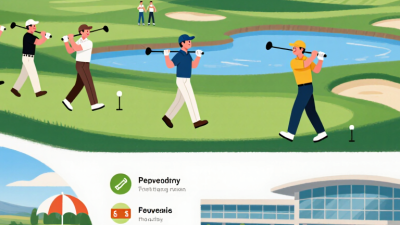
A golf event is more than a group of players starting from the first tee. It is a planned competition, gathering, or experience built around golf. Events may include professional tournaments, charity days, corporate outings, junior matches, and informal club competitions. Each format has different goals, rules, costs, and expectations.

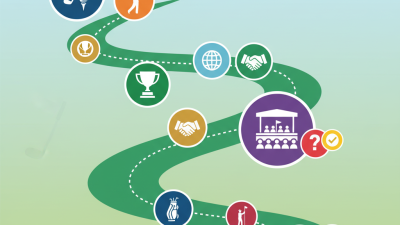
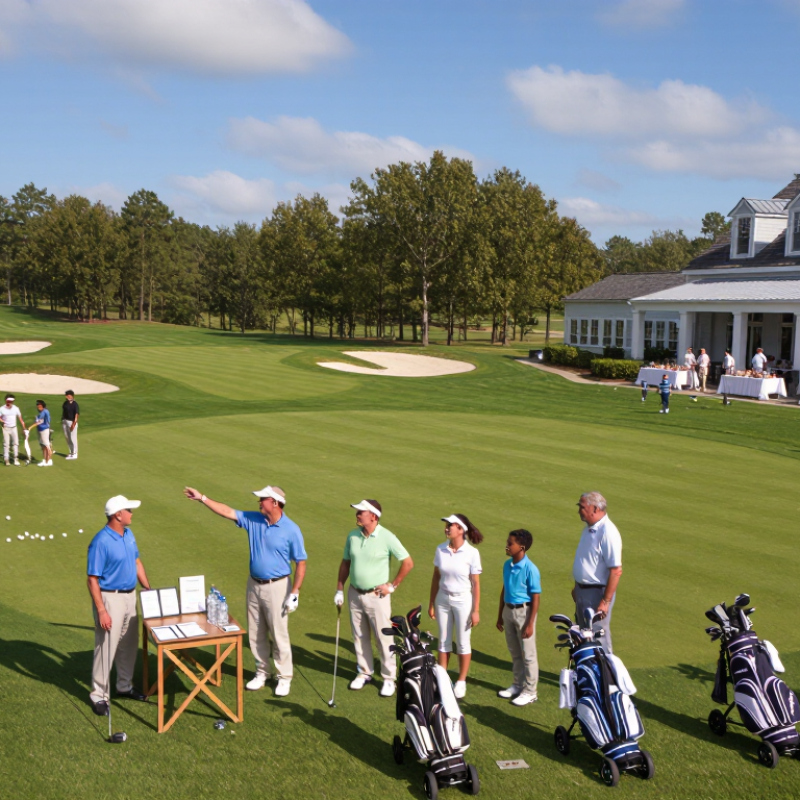
A typical golf event begins with registration, player grouping, and a clear schedule. Participants may receive scorecards, course maps, sponsor information, or player instructions. During the round, officials or organizers manage tee times, scoring, pace of play, and safety. A tournament may use stroke play, match play, or a team format such as a scramble. At the clubhouse, players often submit scores, enjoy refreshments, and attend a presentation. Small details matter. A delayed tee time can affect the entire day.

Well-organized golf events balance competition with hospitality. Experienced organizers check weather conditions, accessibility, course capacity, local rules, and emergency procedures. They also explain handicaps and scoring before play begins. This prevents confusion and protects the event’s credibility. Still, no event runs perfectly. A player may misunderstand a rule, or heavy rain may change the schedule. That is normal. Strong planning includes room for mistakes and honest review afterward. Understanding how golf events work helps players, sponsors, volunteers, and guests participate with greater confidence. It also shows why successful events require much more than simply booking a course.
What Is a Golf Event and How Does It Work?

Definition and Purpose of a Golf Event

What Is a Golf Event and How Does It Work?

Definition and Purpose of a Golf Event

A golf event is a planned gathering where players compete, practice, or support a shared cause. Its purpose can be competitive, social, educational, or charitable. Unlike a casual round, it follows a clear schedule, format, and set of responsibilities. Organizers may choose stroke play, match play, or a team format. Each option changes how scores are recorded and how winners are decided. The best format matches the players’ experience and the event’s main goal.

Planning starts with the course, date, player list, and budget. Officials explain local rules before play begins. They also confirm tee times, scoring methods, safety procedures, and weather plans. On event day, players check in, receive instructions, and move between holes according to the schedule. Marshals or coordinators help maintain pace and answer questions. Accurate scorecards matter. One small error can affect the final result.

A well-run event creates more than competition. It can build confidence, encourage useful networking, or introduce beginners to the sport. Spectators may follow groups, watch key shots, and learn basic etiquette. Still, not every event feels perfectly balanced. Slow play, unclear instructions, or uneven skill levels can reduce enjoyment. Organizers should collect honest feedback afterward and adjust future plans. Sometimes, a simpler schedule works better.

Types of Golf Events and Their Key Differences

A golf event is an organized round with a defined format, schedule, and scoring method. Players may compete individually, in pairs, or in teams. The format determines how every shot affects the final result. It also influences pace, strategy, and the level of pressure on each player.

Stroke play is the most familiar tournament style. Each player counts every shot, and the lowest total wins. One poor hole can damage the entire scorecard. Match play compares players hole by hole, so a player can recover after a bad start. Stableford uses points for each hole, which can reduce the damage from one difficult mistake. Local rules and handicap policies must be explained clearly before play begins.

A scramble creates a more social experience. Every player hits a shot, and the team chooses the best result before continuing. It often helps less experienced golfers contribute, but team decisions can slow play. Best-ball formats are different because each player completes the hole independently, while only the strongest score counts. A charity outing may combine these formats with meals, contests, and networking. The atmosphere feels lighter, yet timing still matters. A clear starting list, visible scoring area, and prepared course staff prevent avoidable confusion. Small details matter. In practice, no format works perfectly for every group. Some players want competition, while others remember the conversation beside the fairway.

What Is a Golf Event and How Does It Work?

The chart compares the common number of holes used in major golf event formats. A standard stroke-play tournament commonly covers 72 holes across four 18-hole rounds. A match-play match is typically 18 holes but may continue beyond 18 if the score is tied. Scramble, four-ball, and foursomes events are commonly organized as 18-hole rounds, although larger competitions may include multiple rounds.

How Golf Events Are Organized and Scheduled

What Is a Golf Event and How Does It Work?

A golf event is a planned competition or social gathering played across one or more rounds. Its success depends on careful scheduling, clear rules, and reliable communication. Organizers usually confirm the course, player list, format, and expected attendance several weeks ahead. They also check course conditions, staffing needs, scoring procedures, and emergency contacts.

A practical schedule begins with registration and a short player briefing. Tee times should allow steady movement without crowding the first hole. Many events assign groups according to handicap, experience, or a random draw. Officials explain local rules before play begins, especially when temporary hazards or unusual ground conditions exist. Breaks, scoring time, and prize presentations also need space in the timetable. Weather can disrupt everything. A backup plan matters.

Tips: Keep the opening briefing brief. Build extra time between groups. Confirm tee times the day before. Share updates through one reliable channel. A printed schedule still helps when phone signals fail.

Experienced organizers review the event afterward. They compare planned timings with actual delays, missed instructions, and player feedback. No schedule is perfect. One overlooked slow group can affect the whole course. Still, honest review makes the next event safer, smoother, and easier to manage.

What Is a Golf Event and How Does It Work? — How Golf Events Are Organized and Scheduled

Planning Dimension Typical Data or Structure How It Works Scheduling Considerations
Event Format Stroke play, match play, scramble, best ball, or stableford The format determines how scores are recorded, compared, and used to decide the result. The format is selected before registration and affects the number of rounds, playing groups, and scoring procedures.
Course Setup 18 holes, par-based layout, marked teeing areas, fairways, greens, hazards, and out-of-bounds areas Course officials define the playing areas and local rules before competitors begin. Course preparation is normally completed before the first tee time, with additional checks during the event.
Player Registration Player name, handicap information where applicable, division, and contact details Registration confirms eligibility and places each participant in the correct competition category. Entry deadlines are set in advance so the organizer can create groups, tee times, and scorecards.
Competition Field Individual players or teams divided by age, handicap, gender, or skill level Participants may compete in one overall field or in separate divisions with their own results. Field size affects the number of tee-time waves, course capacity, and expected completion time.
Number of Rounds One round for a short event; two or more rounds for a multi-day competition A round generally consists of 18 holes, although shorter formats may use fewer holes. Multi-round events require a published daily schedule, rest periods, and a method for carrying scores forward.
Tee-Time Planning Starting intervals commonly arranged in groups of two, three, or four players Players start from assigned holes at specific times to maintain a controlled flow around the course. Tee times are arranged around daylight, course capacity, player count, and the expected pace of play.
Starting Order Random draw, handicap order, qualification results, or previous-round scores The organizer uses a defined method to determine which players start together and when. Later rounds may place players with similar scores together, with leading players often scheduled near the end.
Scoring Method Total strokes, net score, match result, points, or team score Scores are recorded hole by hole and checked before being submitted as official results. Scoring procedures must be communicated before play, including handicap adjustments and tie rules where relevant.
Par and Course Rating Par is the expected score for the course; rating measures expected difficulty for a scratch player Par provides a reference for comparing performance, while course and slope information may support handicap scoring. The course setup should remain consistent enough for scores to be compared fairly across scheduled rounds.
Cut or Qualification A predetermined score, ranking threshold, or qualifying position Some multi-round events reduce the field after an early round so that only qualifying players continue. The cut rule must be published before the event and applied consistently after the specified round.
Rules Administration Rules officials, local rules, score verification, and ruling procedures Officials interpret the applicable rules and resolve questions involving lies, penalties, relief, and procedure. Officials should be available during play, especially near starting areas, scoring locations, and difficult holes.
Pace of Play Target completion time, group spacing, checkpoint times, and course-monitoring procedures Groups are expected to maintain position relative to the group ahead and avoid unreasonable delays. Weather, lost balls, crowded holes, and difficult course conditions may require schedule adjustments.
Weather Procedure Weather monitoring, suspension signals, evacuation guidance, and restart procedures Play may be suspended when conditions create safety risks, such as lightning or severe storms. The organizer announces delays, resumptions, or cancellations and records the status of unfinished holes.
Score Submission Completed scorecard, player verification, scorer confirmation, and official recording Scores are checked for accuracy before they become part of the official leaderboard. A submission deadline is normally established for each round, particularly when results determine the next day’s groups.
Tie-Breaking Playoff holes, score comparison, countback, or shared placing The organizer applies the tie-breaking method stated in the event conditions. Playoff arrangements should identify the starting hole, order of play, and procedure for continuing ties.
Final Results Overall ranking, division results, score totals, and confirmed placings Results are published after score verification, rule reviews, and completion of any required tie-break. Final results are typically released after the last scorecard has been processed and the competition is closed.

Rules, Formats, and Scoring Methods in Golf Events

A golf event is a structured competition where players follow defined rules, formats, and scoring methods. The R&A’s Golf Around the World 2023 report recorded 66.6 million golfers across 206 countries, showing the game’s broad competitive reach. In stroke play, every shot counts, and the lowest total wins. In match play, players compete hole by hole, so one poor hole may not decide the entire contest.

Format changes strategy. Four-ball lets partners play their own balls, with the better score counting on each hole. Foursomes require partners to alternate shots, demanding trust and careful club selection.

Scramble events allow each player to hit, then the group chooses the strongest position. It feels faster, but it can hide individual weaknesses. Local rules may alter relief options, out-of-bounds procedures, or bunker conditions, so players should read the notice before starting.

Stableford scoring awards points instead of counting only total shots. A typical system gives one point for a bogey, two for par, three for a birdie, and four for an eagle. Higher scores win. The National Golf Foundation reported 28.6 million on-course golfers in the United States during 2023, making accessible formats increasingly useful for mixed-skill events. Still, scoring systems can confuse newcomers. A clear card, visible hole indexes, and an experienced rules official prevent small mistakes from becoming serious disputes.

Player Roles, Spectator Experience, and Event Outcomes

What Is a Golf Event and How Does It Work?

A golf event is a structured competition where players follow fixed rules, scheduled rounds, and course-specific conditions. In stroke play, the lowest total score usually wins. Match play compares players hole by hole. The format changes every decision.

Players manage more than their swings. They study wind direction, choose clubs, and protect their pace of play. Caddies may help with distances, course strategy, and emotional control. Officials monitor rules, scoring, and unusual situations. A small mistake can change an entire round. I have watched confident players lose focus after one poor bunker shot. That human weakness is part of the event, although it makes predictions unreliable.

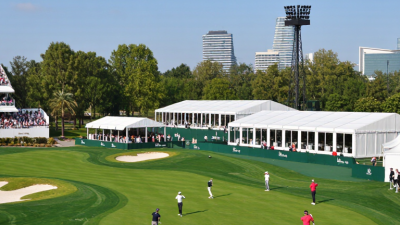
Spectators experience a careful balance between excitement and silence. They follow groups between holes, pause near greens, and watch scoreboards update after each completed hole. Good viewing areas reveal club selection, ball flight, and recovery shots. Weather can alter this experience quickly. Rain makes paths slippery, while strong wind exposes weak planning. Spectators also need to understand local rules and remain still during swings. The final outcome may include a winner, ranking points, qualification, or team selection. However, one result rarely explains the whole performance. A player may finish outside the top position after showing excellent control under difficult conditions. That deserves attention too.