
Finding premier golf equipment suppliers requires more than a polished website or a large product catalogue. Serious buyers examine product quality, fitting support, stock accuracy, and after-sales service before placing an order. A supplier may display premium drivers, forged irons, gloves, and range equipment, yet still provide weak technical guidance. That gap matters when a shipment includes mismatched shafts or incorrect grip sizes. The right partner understands how equipment performs on the course, not only how it looks in a product photograph. This article introduces a practical way to compare suppliers and reduce avoidable purchasing risks.
Experience should be tested with specific questions. Can the supplier explain launch conditions, shaft flex, loft options, and fitting tolerances? Does it provide verifiable brand authorization, warranty terms, and clear product specifications? Requesting a sample club or small trial order can reveal packaging quality, labeling accuracy, and delivery consistency. Speak with golf retailers, club professionals, or facility managers who have used the supplier repeatedly. Their comments may expose delays that online reviews miss. Small details matter.
A credible supplier should communicate openly about manufacturing sources, inspection procedures, minimum order quantities, and replacement policies. It should also protect customer data and follow applicable trade, safety, and consumer-protection requirements. Independent certifications can help, but certificates should be checked rather than accepted blindly. No supplier is perfect; even a promising partner may struggle during seasonal demand or freight disruption. Weigh that weakness against response speed, documentation, and practical solutions. The goal is not simply to find the lowest quote. It is to build a dependable supply relationship that supports accurate fitting, consistent inventory, and a better player experience.
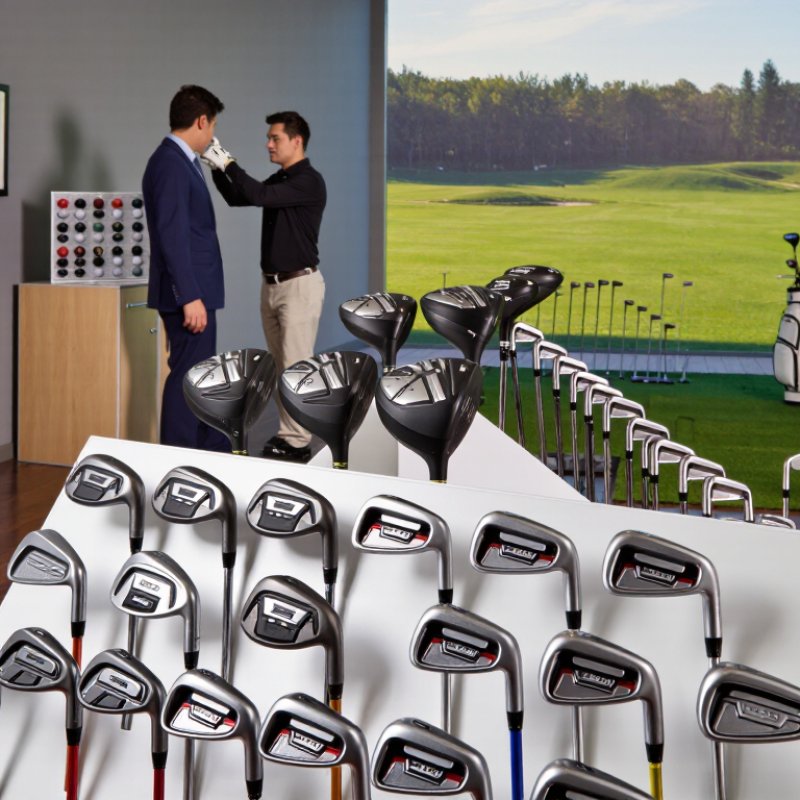
Finding a premier golf equipment supplier begins with a precise definition of your own needs. I have seen purchasing plans fail because “standard clubs” meant different things to different teams. Record the equipment category, quantity, user level, playing conditions, and delivery schedule. Include measurable details such as shaft flexibility, grip size, loft range, head material, bag capacity, and tolerance limits. Be specific, not optimistic.
Your supplier requirements need equal clarity. Ask whether the supplier can provide material records, product specifications, sample units, inspection reports, and consistent replacement support. Set acceptable defect rates before requesting quotations. Confirm production capacity, packaging standards, lead times, payment terms, and communication procedures in writing. A capable supplier should explain testing methods without hiding behind vague promises. Request a sample order. It exposes problems early.
Check whether the supplier follows applicable product safety, labeling, import, and environmental rules in your sales markets. Independent inspection can verify dimensions, finish quality, grip adhesion, and packaging strength. Keep dated records of samples and corrections. My own early specifications were sometimes too narrow, especially when players had different swing speeds. Revising them after field testing improved fit, but it also delayed purchasing. That trade-off deserves honest planning. Ask how complaints are logged and resolved, because reliable support matters after delivery, not just during negotiation.
| Equipment Category | Recommended Requirement Definition | Common Technical Specifications | Supplier Evidence to Request | Typical Purchasing Considerations | Priority |
|---|---|---|---|---|---|
| Golf Clubs | Define the target player level, club type, handedness, shaft profile, loft range, and intended playing conditions. | Driver, fairway wood, hybrid, iron, wedge, or putter; loft options; shaft flex; lie angle; grip size; head material. | Material specifications, dimensional drawings, sample measurements, shaft-flex data, product testing records, and quality-control procedures. | Customization capability, sample approval, tolerance control, packaging protection, and replacement-part availability. | High |
| Golf Balls | Specify construction, compression preference, cover material, color, printing, and performance target. | Two-piece or multilayer construction; ionomer or urethane cover; dimple pattern; compression category; diameter and weight compliance. | Batch test reports, dimensional checks, compression consistency data, cover durability testing, and print-quality samples. | Color consistency, logo or custom-print accuracy, carton configuration, storage conditions, and minimum order quantity. | Medium |
| Golf Bags | Define bag type, club-divider layout, carrying method, storage capacity, weather resistance, and target user. | Stand, cart, or staff bag; divider count; waterproof or water-resistant fabric; pocket layout; strap design; base dimensions. | Fabric composition, seam-strength results, zipper and buckle testing, load testing, waterproofing test method, and production samples. | Ergonomics, hardware durability, colorfastness, embroidery or printing quality, folding efficiency, and shipping volume. | Medium |
| Golf Gloves | Identify glove hand, sizing system, material preference, closure type, climate use, and required tactile performance. | Leather, synthetic, or hybrid construction; ventilation panels; hook-and-loop closure; palm reinforcement; size range. | Material composition, size charts, stitching inspection records, colorfastness testing, sweat or abrasion testing, and sample fit approval. | Sizing consistency, shrinkage, odor control, individual packaging, seasonal demand, and return-rate risk. | Medium |
| Golf Shoes | Define size range, sole type, waterproofing level, walking comfort, traction needs, and playing-surface compatibility. | Spiked or spikeless outsole; waterproof membrane or treated upper; cushioning system; removable cleat compatibility; outsole traction pattern. | Material declarations, flex testing, outsole abrasion testing, waterproof test results, size grading, and wear-test samples. | Fit accuracy, sole bonding, moisture protection, packaging size, product liability controls, and after-sales replacement policy. | High |
| Golf Apparel | Specify garment type, size range, fabric performance, fit, climate, decoration method, and care requirements. | Moisture management; stretch percentage; UV-protection claim where tested; breathability; fabric weight; collar and seam construction. | Fiber composition, size grading, colorfastness results, shrinkage testing, fabric performance reports, and pre-production samples. | Fit consistency, seasonal color planning, care-label compliance, defect inspection, and packaging presentation. | Standard |
| Training Aids | Define the training objective, user skill level, indoor or outdoor use, portability, and required feedback mechanism. | Alignment aid, swing trainer, putting aid, impact indicator, launch-monitor accessory, or strength and mobility tool. | User instructions, material safety information, durability testing, measurement accuracy where applicable, and product safety assessment. | Ease of use, instructional clarity, portability, replacement components, packaging protection, and customer-support requirements. | Standard |
| Evaluation Dimension | Minimum Requirement | Verification Method | Suggested Weight | Decision Signal |
|---|---|---|---|---|
| Product Quality System | Documented incoming-material, in-process, and final-inspection procedures. | Review inspection checklists, sample records, defect classification, and corrective-action reports. | 25% | Consistent records and measurable acceptance criteria indicate stronger process control. |
| Technical Capability | Ability to meet approved drawings, tolerances, materials, finishes, and customization requirements. | Request technical files, production samples, measurement reports, and a pre-production approval process. | 20% | Suppliers should demonstrate repeatability, not only provide attractive samples. |
| Compliance and Traceability | Applicable product, labor, environmental, packaging, and market-entry requirements are identified and documented. | Check declarations, test reports, material records, production-batch identification, and audit documentation. | 15% | Clear documentation reduces customs, regulatory, and recall risks. |
| Capacity and Lead Time | Production capacity must match forecast demand while allowing reasonable flexibility for replenishment. | Compare stated capacity with historical delivery records, production planning, and peak-season schedules. | 15% | Reliable schedules and proactive delay communication are more valuable than the shortest quoted lead time. |
| Commercial Terms | Transparent pricing, payment terms, minimum order quantities, tooling charges, and sample costs. | Request a line-item quotation and compare total landed cost rather than unit price alone. | 10% | Stable, complete quotations reduce the risk of unexpected charges. |
| Communication and After-Sales Support | A designated contact, defined response times, complaint handling, and replacement or rework procedures. | Use a pilot order to evaluate response quality, issue resolution, documentation, and reporting discipline. | 15% | Fast responses are useful only when they are accurate, documented, and followed by action. |