Top Tips for Enhancing Your Golf Play: Strategies for Every Skill Level
Golf play is an exciting journey. Whether you're new to the sport or have years of experience, there’s always room for improvement. The beauty of golf lies in its complexity and subtlety. Each swing can tell a story of mastery or room for growth.
Many players struggle with consistency. Often, small adjustments can lead to significant improvements in your game. Focus on your grip, stance, and posture. These fundamentals are critical for success. It's not just about hitting the ball; it's about understanding your technique.
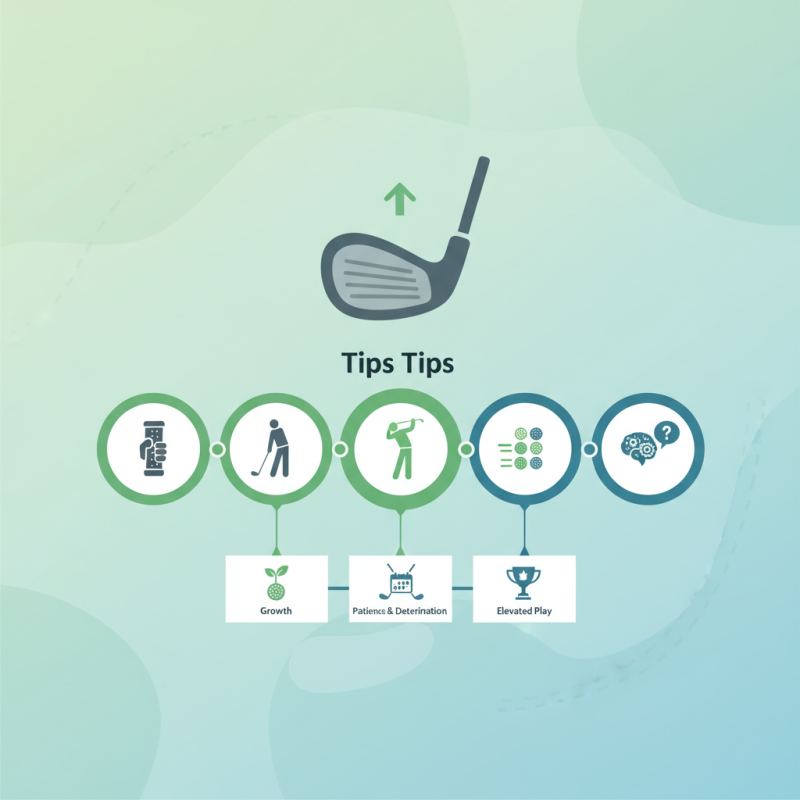
Practice is essential, but so is reflection. After each round, think about what worked and what didn’t. This reflective process can guide your future practice sessions. Embrace the challenges you face in golf play. They are opportunities for learning and growth. With patience and determination, you can elevate your game.
Understanding Golf Basics: Terminology and Equipment Essentials
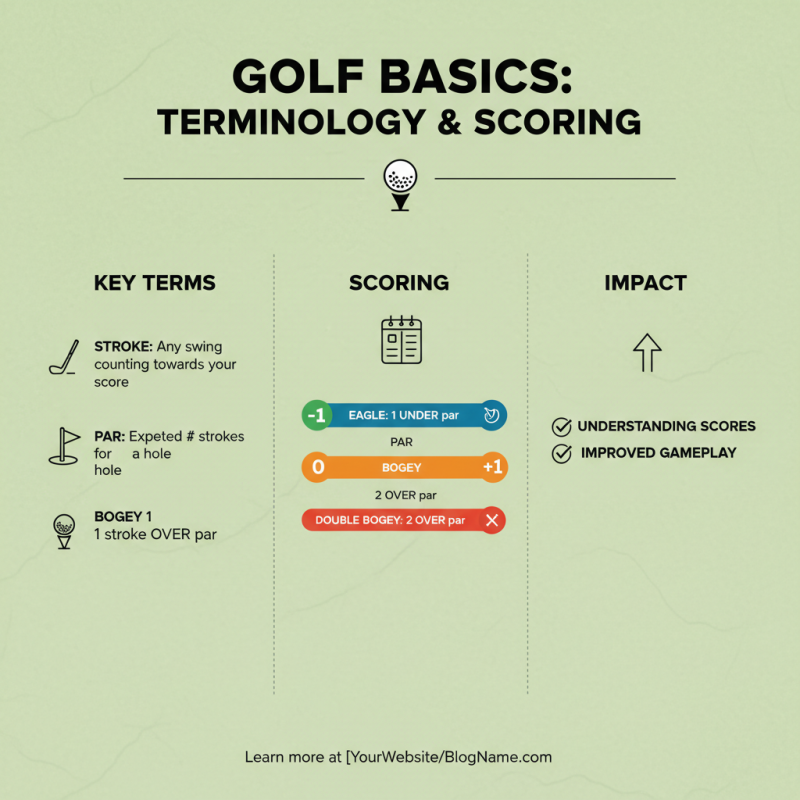
Understanding the basics of golf is crucial for players at any skill level. Knowing the terminology enhances your game. Players often struggle with terms like "stroke," "par," and "bogey." For instance, a bogey is one stroke over par for a hole. This simple term can make a big difference in understanding your score.
Equipping yourself with the right gear is equally important. Many beginners overlook this and end up with inappropriate clubs. According to a recent survey, nearly 70% of amateur golfers play with clubs that don't suit their playing style. Custom fitting can lead to better performance. It's crucial to select the right driver. A well-fitted driver can add 20-30 yards to your tee shot.
Furthermore, understanding equipment essentials is vital. Clubs come in various types—irons, woods, wedges, and putters. Each serves its purpose. Many novice players choose a single club for every situation, leading to inconsistent results. Golf requires a diverse set of tools to navigate its challenges. Investing in proper equipment can profoundly impact your game. Yet, players often delay this investment, thinking they can learn without it. The right gear can be a game-changer.
Key Techniques for Developing a Consistent Golf Swing
Developing a consistent golf swing is essential for all players. A good swing leads to better shots and lower scores. Focus is key. Begin by ensuring your grip feels comfortable. A relaxed grip can reduce tension and improve the fluidity of your swing. Think about your stance too. Feet should be shoulder-width apart. Balance is crucial. It helps maintain control throughout your swing.
Practice your backswing. It should feel smooth, not rushed. Move your club back in a straight line. Imagine a clock face. Your arms should mimic the hour hand moving from 12 to 3. Observe your body’s rotation. Many golfers struggle here. They often sway instead of turning. This can lead to inconsistent hits.
Prepare for the follow-through as well. Picture it as an extension of your swing. Aim for a balanced finish position. You should feel stable, with your weight shifted onto your front foot. Analyze each practice swing. What felt right? What didn’t? Reflect on your body movements. Small adjustments can lead to significant changes in performance. Consistency takes time. Embrace the journey.
Mastering Short Game Skills: Putting, Chipping, and Pitching Strategies
Mastering your short game is essential for better golf performance. Focused practice on putting, chipping, and pitching can dramatically improve your scores. Each aspect requires attention and specific techniques to refine your skills.
When putting, keep your head steady. Aim for a smooth, pendulum-like stroke. Remember, the distance is as important as the direction. Visualize the line to the hole. Adjust your pace and stance for different greens. Don’t rush. Every missed putt is a learning opportunity.
Chipping requires precision. Use a basic stance, weight slightly forward. Experiment with your club selection. Practice over different lies to build confidence. Pitching, on the other hand, needs a good feel for the loft. Work on your follow-through. Often, less power is more effective. Reflect on your technique after each session. Improvement comes with patience and consistent effort.
Mental Approach to Golf: Focus, Routine, and Course Management
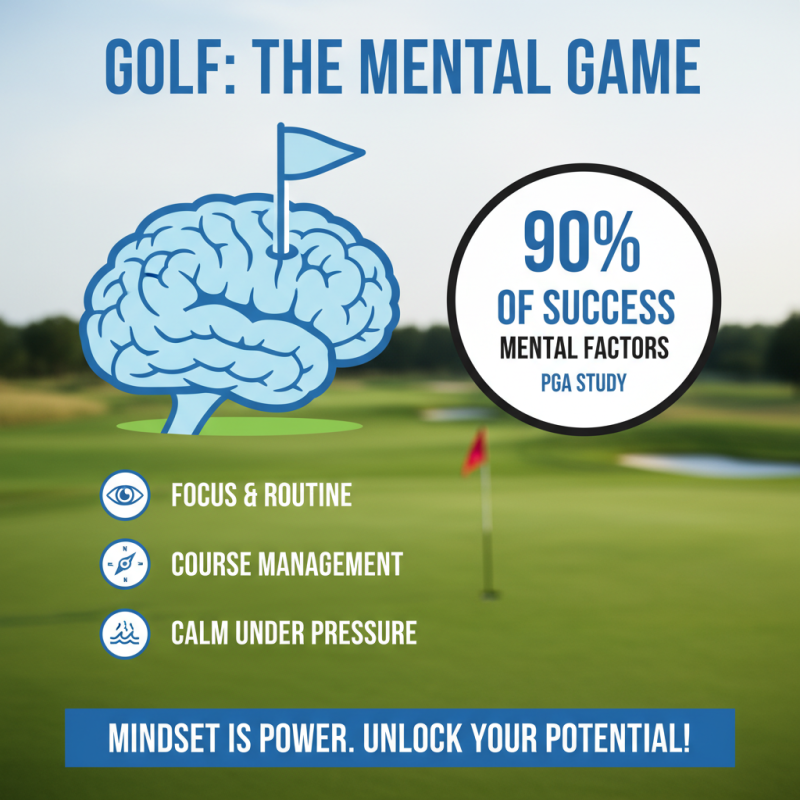
The mental game of golf plays a crucial role in overall performance. A study by the PGA shows that 90% of success in golf is from mental factors. This includes focus, routine, and course management. Players often underestimate the power of mindset. Staying calm under pressure can lead to better shot-making and strategy execution.
A solid pre-shot routine can enhance focus. Golfers should develop a consistent method before each shot. This might include visualization or specific breathing techniques. Repeating a successful routine builds confidence. However, many players struggle with consistency. Reflecting on your routine can reveal gaps. Is it truly helping, or does it need adjustment?
Course management is essential for scoring well. Understanding the layout of a course can save strokes. Analyze each hole and identify safe targets. Instead of forcing a risky shot, consider the safer option. Statistics indicate that many amateur players lose strokes by taking unnecessary risks. Being aware of your limits is key. Many players don't assess their performance realistically. This can lead to poor decision-making during a round.
Physical Fitness and Flexibility: Enhancing Your Golf Performance
Physical fitness and flexibility are crucial for improving golf performance. Regular stretching can enhance your range of motion. Incorporate dynamic stretches targeting your shoulders, hips, and back. For example, a simple trunk rotation helps loosen your spine. Take a few minutes to perform this before hitting the course.
Strength training can also make a significant difference. Focus on exercises that boost core stability. Planks and medicine ball workouts can build a solid foundation. However, remember that overdoing it can lead to fatigue. A tired body won’t swing effectively.
Balance is key. Work on your stability with activities like yoga or Pilates. These practices improve focus and coordination. But, don't overlook the importance of rest days. Your muscles need time to recover. Inconsistency in routines can slow down progress. Reflect on your habits and adapt as necessary.
Top Tips for Enhancing Your Golf Play: Physical Fitness and Flexibility
This bar chart illustrates the impact of various physical fitness components on golf performance. The dimensions include flexibility, strength training, endurance, balance, and core stability, rated on a scale from 1 to 10.