
Buying an electric city bike can feel simple until specifications, regulations, and daily conditions enter the picture. A model that performs smoothly in Amsterdam may feel unsuitable on steep streets in Bogotá or uneven roads in Nairobi. Global buyers need more than attractive photographs and a low advertised price. They need practical evidence.
Court Rye, an electric-bike industry reviewer and founder of ElectricBikeReview.com, puts it plainly: “The best electric bike is the one you will actually ride.” That idea should guide every decision in this buying guide. A comfortable frame, predictable braking, and a battery that matches your real commute matter more than impressive marketing numbers. Test the riding position if possible. Notice whether your wrists feel strained after ten minutes. Small discomfort becomes a daily problem.
The following ten tips examine motor placement, battery range, charging safety, frame size, weather resistance, service access, warranty terms, and local compliance. They also consider details that online listings often hide, such as replacement battery costs and the weight of carrying a bike upstairs. Range claims can disappoint. Wind, hills, rider weight, and cold weather change performance.
There is no perfect choice. Some buyers may prioritize speed, while others need a stable step-through frame. A lighter bike may offer less range. A larger battery may make storage harder. These trade-offs deserve honest attention before payment. Careful comparison creates a safer, more reliable electric city bike for everyday travel, not merely an attractive purchase on paper.
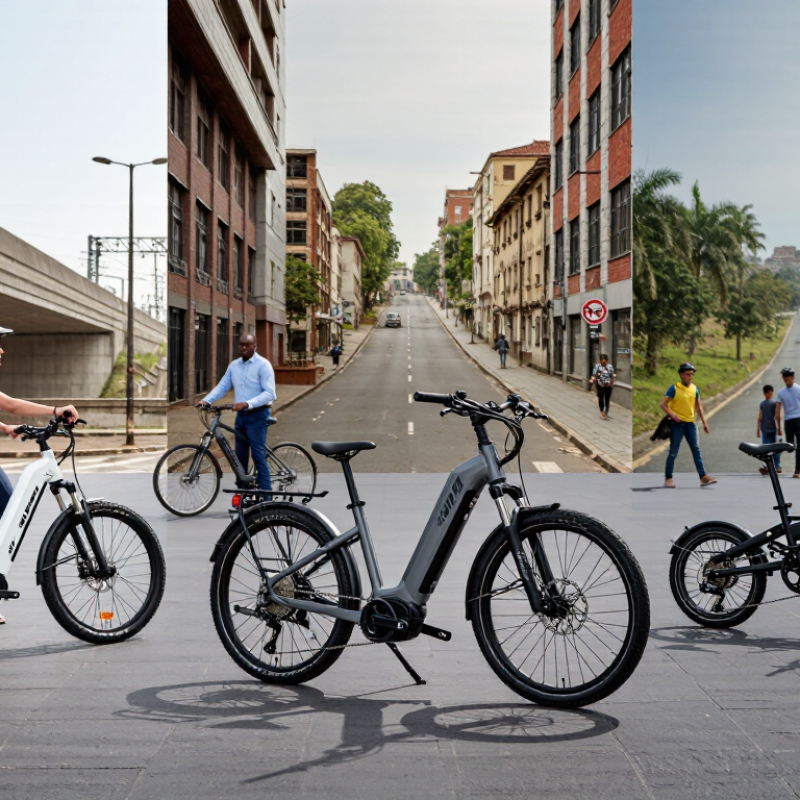
Choosing an electric city bike starts with your actual daily routine, not its advertised range. Measure your usual distance, hills, road surfaces, and parking conditions. A ten-kilometre commute feels different on flat streets than on steep, uneven roads. Check whether you carry groceries, work equipment, or a child seat. These details affect frame strength, motor support, and battery capacity.
Tip: Recreate your normal trip before buying. Ride the route manually, if possible. Notice traffic, narrow lanes, rain exposure, and difficult intersections. I once underestimated a short hill near home; it became tiring after several busy workdays. That mistake taught me to judge routes by repetition, not distance alone.
Local conditions also shape the right specification. Frequent rain calls for dependable brakes, visible lighting, and protected electrical connections. Hot climates may require careful battery storage away from direct sunlight. In cold regions, battery performance can decrease. Confirm local speed limits, equipment rules, and charging requirements before purchase. Some buildings restrict indoor charging, which can change your practical range. Ask about maintenance access, replacement parts, and safe storage. A technically impressive bike may still be inconvenient if support is unavailable nearby.
| 10 Electric City Bike Buying Tips for Global Buyers - Define Your Daily Riding Needs and Local Usage Conditions | |||
|---|---|---|---|
| Riding Dimension | Questions to Ask | Example Daily Use | What to Consider When Choosing |
| Daily distance | How far is each one-way trip, and how many trips do you make between charges? | A 7 km one-way commute is about 14 km for a round trip, before errands or detours. | Compare the expected round-trip distance with the bike’s stated range, leaving a reserve for hills, cold weather, cargo, and frequent stops. Advertised range is not a guaranteed result. |
| Route and terrain | Is the route mostly flat, rolling, or steep? Does it include rough pavement or unpaved sections? | A city route with several sustained climbs places different demands on the bike than a flat riverside path. | Check the motor’s rated power and assistance behavior, gearing, braking, and the manufacturer’s guidance for gradients and permitted use. Test the bike on a representative route if possible. |
| Road and path conditions | Will you ride on smooth streets, pothole-prone roads, shared paths, or cobbled surfaces? | Frequent bumps can make a wider tire and a comfortable riding position more useful than a very lightweight setup. | Review tire width, puncture protection, wheel strength, braking performance, and whether the bike is approved for the surfaces you plan to use. |
| Weather and climate | Will you ride in rain, high temperatures, cold weather, or strong winds? | A rider commuting through wet seasons may need dependable fenders, lights, and effective brakes. | Check the stated water-resistance guidance for electrical components and battery care instructions. Water resistance does not mean the bike or battery can be submerged or cleaned with a pressure washer. |
| Rider comfort and fit | How tall is the rider, and will the bike be used in everyday clothes or with frequent stops? | A short urban trip with many traffic lights may make easy mounting and a comfortable, upright position important. | Check frame sizing, saddle and handlebar adjustment, step-over height, reach, and brake-lever fit. A test ride can help identify discomfort before purchase. |
| Cargo and passengers | Do you carry a laptop, groceries, work equipment, or a child seat? | Regular grocery trips may require a rated rear rack, front basket, or panniers rather than a small backpack. | Verify the bike’s maximum permitted load and the separate limits for racks, baskets, and child seats. Do not exceed any stated weight limit. |
| Charging and storage | Can you charge the battery at home or work, and where will the bike be stored? | An apartment rider may need to carry the battery indoors if the bike is stored in a shared bike room. | Check battery weight, whether it is removable, charging time, charger requirements, and the recommended temperature range for charging and storage. |
| Parking and security | Where will the bike be parked during the day and overnight? | Street parking in a busy district may call for a secure locking point and a practical way to remove the battery. | Consider the frame’s locking points, total bike weight, removable components, and whether secure indoor storage is available. A lock reduces risk but cannot guarantee theft prevention. |
| Local laws and route access | What rules apply to motor assistance, speed, helmets, lights, and where electric bikes may be ridden? | Rules can differ between countries, states or provinces, and even between roads and shared paths. | Confirm the current local definition of an electric bicycle, permitted assistance limits, equipment requirements, age rules, and path access before buying. Do not assume one market’s classification applies elsewhere. |
| Maintenance and local support | Can you obtain compatible replacement parts and qualified servicing nearby? | A daily commuter may depend on quick access to tires, brake pads, battery support, and routine adjustments. | Ask about service availability, spare-parts access, warranty coverage in your country, and safe battery handling or recycling options. |
| Use these examples as planning prompts, not universal specifications. Actual range, legal requirements, load limits, and charging guidance depend on the specific bike and local rules. | |||