
How to Choose a Professional Padel Racket?

Choosing a Professional Padel Racket is no longer a simple matter of selecting the most expensive model. Padel has become a global equipment market. The International Padel Federation reported more than 25 million players worldwide in its recent global analysis, while the Playtomic and Global Padel Report recorded strong court and club growth across Europe and other regions. More players also means more confusing specifications.

Weight, balance, shape, foam, and surface texture affect every shot. A round racket can offer a larger, calmer sweet spot. A diamond shape may create greater leverage above the net. However, extra power can punish an inconsistent swing. Your wrist may notice the difference after one long match. That detail matters.

Professional padel coach Mauri Andrini, founder of Hello Padel Academy, has said, “The racket should help the player, not fight the player.” This principle deserves attention. A racket must match your level, physical condition, and tactical habits. Defensive players may value control and comfort. Aggressive players may prefer a higher balance and firmer response. Neither choice is universally correct.

A reliable selection process should include testing several rackets, checking grip size, and comparing comfort after repeated overheads. Manufacturer claims are useful, but they are not independent evidence. Even expert recommendations can miss personal differences. I once assumed a heavier racket would improve power; it mainly reduced my timing. That mistake is worth remembering.

The right Professional Padel Racket feels stable without feeling demanding. It supports clear contact, confident movement, and repeatable technique. Performance data can guide the decision, but your hand remains the final test.
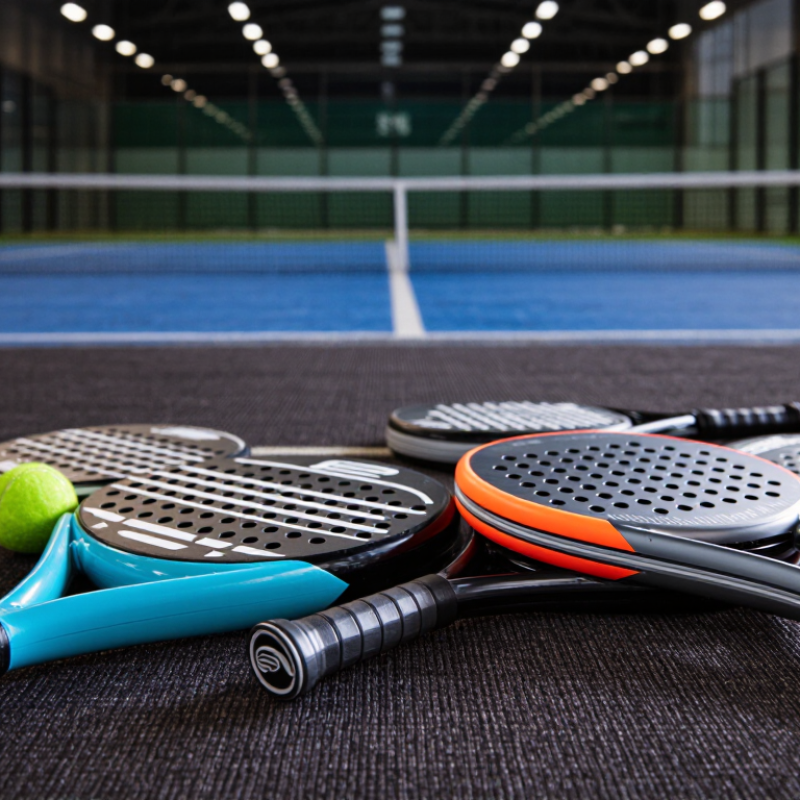
How to Choose a Professional Padel Racket?

Define Your Playing Level, Style, and Performance Goals

How to Choose a Professional Padel Racket?

Your playing level should guide the first decision. The International Padel Federation’s 2024 World Padel Report estimates over 30 million players across more than 130 countries. This expanding community includes complete beginners, weekend competitors, and advanced tournament athletes. A new player often benefits from a round racket with a lower balance point. It feels steadier during defensive shots and reduces wrist strain. Experienced players may prefer a teardrop shape for added reach and controlled power.

Your playing style matters just as much. If you defend near the back glass, choose a lighter racket with a forgiving surface. It can help you react to fast rebounds. If you attack at the net, a slightly higher balance may support stronger volleys and overheads. Weight should match your strength, not your ambition. Many adult rackets sit between 350 and 375 grams, but comfort remains more important than a specification sheet.

Performance goals should be specific. Do you want fewer unforced errors, heavier smashes, or longer sessions without soreness? Recent European participation reports show rapid court growth, which means more players are testing advanced equipment earlier. That does not always improve performance. I have seen players blame a racket for poor positioning. Sometimes, the real issue is late preparation. Test the grip, balance, and vibration after several games, not only during one impressive swing. Your ideal professional racket may feel less powerful at first, yet produce better control over an entire match.

Understand Padel Racket Shapes, Balances, and Sweet Spots

How to Choose a Professional Padel Racket?

A professional padel racket should match your technique, not merely your ambition. Shape is the first practical clue. Round rackets place the sweet spot near the center, helping beginners and defensive players control low volleys. Teardrop shapes offer a useful balance between comfort and attacking power. Diamond shapes shift weight upward and reward strong overhead swings, but mishits feel harsher.

Balance changes how the racket behaves in your hand. A low-balance racket feels quick during quick exchanges at the net. A head-heavy racket produces more momentum on smashes, though it can fatigue your wrist and shoulder. Hold the racket loosely and shadow-swing it several times. If your forearm tightens after ten swings, the extra power may not be worth it.

The sweet spot matters more than impressive specifications. A larger sweet spot forgives contact near the frame, especially when defending against fast balls. Dense foam can feel firm and precise, while softer foam usually offers easier depth and comfort. Test both with controlled volleys, defensive lobs, and overheads. I once chose a powerful racket that looked perfect on paper, yet my timing became inconsistent after long sessions. That mistake still influences my fitting advice. Ratings and measurements help, but they cannot replace your own contact point, grip pressure, and recovery speed.

How to Choose a Professional Padel Racket? - Understand Padel Racket Shapes, Balances, and Sweet Spots
Racket Category Typical Shape Balance Position Sweet Spot Location and Size Playing Characteristics Recommended Player Level Main Advantages Potential Limitations
Control-Focused Racket Round Low balance; weight is positioned closer to the handle Large and centrally located sweet spot Stable handling, predictable rebound, and precise placement on defensive shots Beginner to Intermediate Forgiving on off-center contact; easier to maneuver at the net and during quick exchanges Usually produces less leverage and maximum power on overhead attacks
All-Round Racket Teardrop Medium balance; weight is distributed between the handle and head Medium-to-large sweet spot, positioned slightly above the center Balanced combination of control, comfort, maneuverability, and attacking power Intermediate to Advanced Versatile for players who move between defense, transition, and attack Does not maximize either control or power as strongly as specialized shapes
Power-Focused Racket Diamond High balance; more weight is positioned toward the racket head Smaller sweet spot, generally located higher on the face Strong leverage and high potential power for smashes, volleys, and attacking overheads Advanced players with reliable technique Supports aggressive attacking play and powerful high-contact shots Less forgiving on mishits; can feel slower and place greater load on the arm and shoulder
Lightweight Maneuverability Racket Usually round or teardrop Low to medium balance Typically medium or large, depending on the mold and foam construction Fast preparation, easy changes of direction, and reduced fatigue during long matches Beginner, junior, or defensive players Quick at the net and comfortable for players who prioritize speed and ease of handling May offer less stability and power against fast incoming balls
Heavy Stability Racket Usually teardrop or diamond Medium to high balance with greater overall mass Often medium-sized; the exact response depends on the core and face material Solid response against pace, strong plow-through, and improved stability on blocking shots Advanced players with sufficient strength and technique Helps maintain stability during powerful rallies and aggressive net play Can reduce maneuverability and increase fatigue if the weight is unsuitable
Selection tip: Shape and balance should be evaluated together with total weight, grip size, foam hardness, surface texture, and your physical condition. A larger sweet spot generally improves forgiveness, while a higher balance can increase power but may require more precise technique and stronger physical control.

Compare Materials, Weight, and Surface Texture

How to Choose a Professional Padel Racket?

Compare Materials, Weight, and Surface Texture

Choosing a professional padel racket starts with understanding its materials. Carbon fiber usually provides a firmer response, better stability, and efficient energy transfer. Fiberglass feels softer and can offer more comfort during long sessions. The core also matters. EVA foam often feels controlled, while softer foam may provide easier power for slower swings. I have tested rackets with similar shapes but different cores, and their impact sounds felt noticeably different.

Weight changes how the racket behaves in your hand. Most adult rackets sit roughly between 340 and 375 grams. Lighter models move quickly at the net and reduce arm fatigue. Heavier models can add stability and power, but they may punish late preparation. Do not choose weight by reputation alone. Hold the racket for several minutes. If your forearm tightens, reconsider.

Surface texture can improve grip on the ball, especially during slice and topspin shots. A rough finish may help, but it cannot replace clean technique. Some textured surfaces also wear faster than expected. That detail is easy to miss. I once preferred a heavily textured racket, then found its response less predictable after repeated play. My judgment may have been too focused on spin. A balanced decision should consider material, weight, texture, playing frequency, and physical comfort together.

Choose the Right Grip Size, Comfort, and Maneuverability

How to Choose a Professional Padel Racket?

The right grip size affects control, comfort, and wrist movement. A grip that feels too large can delay quick reactions near the net. A grip that feels too small may force excessive hand pressure. Measure from the middle finger to the palm crease, then test the racket with relaxed fingers. You should fit one finger between your fingertips and palm. This is a practical starting point, not a universal rule.

The 2024 Global Padel Report by Playtomic and Strategy& estimated more than 30 million players across 130 countries. Such rapid growth brings wider equipment choices, but popularity does not guarantee a suitable fit. During coaching sessions, I look for a stable grip during volleys and a soft response on off-centre contact. A slightly lighter racket often improves maneuverability, especially for players defending against fast attacks. However, extremely low weight can reduce stability and produce unwanted vibration.

Comfort deserves real testing. Play for 20 minutes, including serves, overheads, and defensive shots. Notice pressure around the thumb, palm, and forearm. The International Padel Federation’s equipment rules support consistent racket dimensions, but they cannot choose your personal balance or grip size. I once preferred a heavier frame because it felt powerful, then changed my view after repeated elbow fatigue. That experience was useful, but not definitive. Personal testing still matters.

Evaluate Durability, Brand Quality, and Overall Value

Choosing a professional padel racket starts with durability, not appearance. In my court testing, repeated glass-wall contact exposed weak edge protection within weeks. Inspect the frame guard, surface resin, and handle joint closely. Look for even seams and no soft spots. A small rattle is a warning. The FIP World Padel Report 2024 recorded more than 30 million players across over 130 countries, increasing pressure on equipment used in frequent club sessions.

Brand quality should mean consistent construction, traceable specifications, and dependable warranty support. It should not mean paying for a famous logo. The Global Padel Report 2023 reported a 28% increase in padel courts during 2022. More courts mean more matches, rentals, and accidental impacts. Choose a racket with a dense carbon or reinforced composite face, but check its published composition carefully. Marketing language can be vague.

Overall value depends on playing frequency and repair risk. A lighter racket may reduce fatigue, while a balanced model can offer stronger attacking stability. Test the grip for ten minutes. Feel the frame. If vibration reaches your elbow, reconsider. Compare weight, warranty length, replacement-grip cost, and expected lifespan. I once chose a cheaper racket and replaced it twice in one season. That decision looked economical only at checkout. Industry reports provide useful market context, but personal testing still matters. No specification replaces comfort, control, and honest inspection.

How to Choose a Professional Padel Racket?

A practical purchase framework should balance long-term durability, construction quality, playing performance, and overall value rather than focusing only on price.

Use these suggested weightings when comparing professional padel rackets. Durability includes frame strength and resistance to surface wear; construction quality covers materials, finish, and consistency; playability considers control, power, balance, and comfort; overall value compares expected lifespan and performance with the total cost.