China Top Sportswear OEM ODM Solutions for Global Sourcing?
China has become a leading hub for Sportswear OEM / ODM solutions, attracting global brands seeking quality and efficiency. The diverse range of manufacturers offers competitive pricing and innovative designs. However, navigating this landscape can be challenging for newcomers.
Understanding the intricacies of sourcing from China is crucial. Many companies face hurdles like communication barriers and quality control issues. A reliable partner can make a significant difference. Emphasizing transparency and sustainability has become essential in today's market. Brands must rethink their approach to ensure ethical sourcing practices.
The expertise in Sportswear OEM / ODM services is undeniable, yet brands must remain vigilant. Some companies find themselves overwhelmed by options, leading to indecision. Finding a trustworthy manufacturer can take time, as not all suppliers meet industry standards. It's important to balance cost with quality, which often requires careful evaluation.
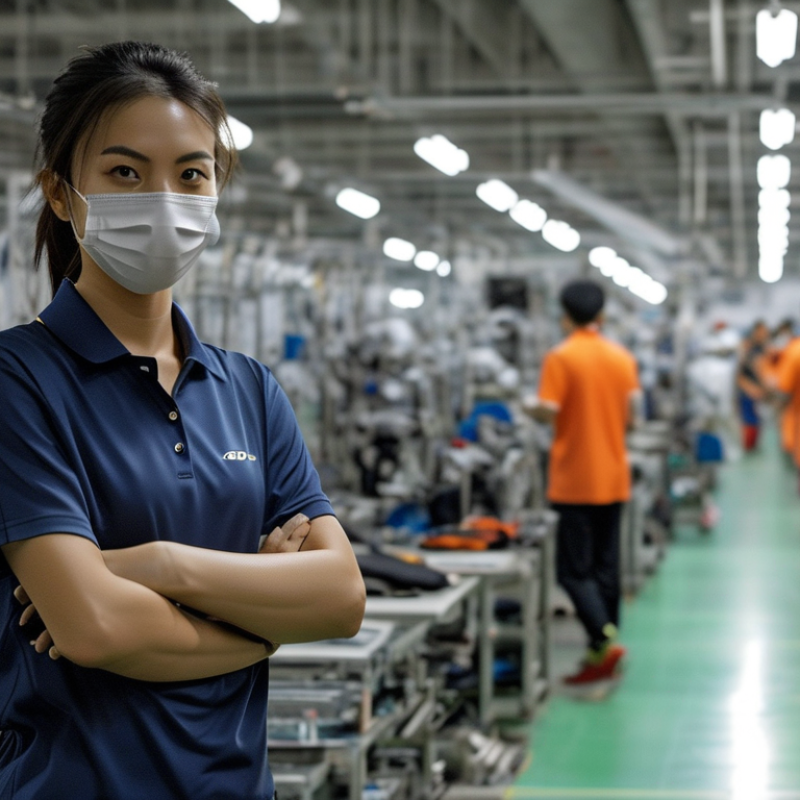
Overview of China's Sportswear Industry and Market Dynamics
China's sportswear industry is expanding rapidly. According to a recent report by Statista, the market is projected to reach approximately $85 billion by 2025. This growth presents numerous opportunities for global sourcing as brands seek advanced OEM and ODM solutions. Many companies are turning to China, where manufacturing costs are comparatively lower, and production capabilities are vast.
The dynamics of the market are also shifting. A report by McKinsey highlights a growing preference for sustainable and technologically advanced fabrics. Consumers now demand more from their sportswear. They want functionality, aesthetics, and eco-friendliness. This shift requires manufacturers to innovate continuously. However, some factories struggle to keep pace with these changing demands. It's a reflection of the broader challenges in balancing sustainability with operational efficiency.
Furthermore, the pandemic has altered the landscape of distribution and retail. E-commerce has surged, creating new channels for sales. Yet, not all manufacturers have adapted swiftly enough to this trend. As the global market changes, Chinese suppliers must remain agile and responsive. Those that do will thrive. Others may face challenges in retaining their competitive edge.
Understanding OEM and ODM Manufacturing Models in Sportswear
In today's global sportswear market, understanding OEM and ODM manufacturing models is crucial. An OEM, or Original Equipment Manufacturer, produces products based on specifications provided by clients. This allows brands to leverage existing designs and focus on marketing. The ODM model, or Original Design Manufacturer, goes a step further. ODMs create their designs and give brands the option to rebrand. This can save time and development costs for companies looking to expand their product lines swiftly.
Navigating these models can be complex. Companies must evaluate their needs carefully. Some brands may prefer OEM due to the control it offers over design and production. Others may choose ODM for speed and efficiency. The choice depends on resources, market demand, and brand strategy. It's not always a clear path. The wrong choice might lead to delays and increased costs. Evaluating potential partners is essential. Trustworthy manufacturers can help mitigate risks and maintain quality standards.
Working with OEM or ODM requires effective communication. Misunderstandings can lead to production issues. It's vital for brands to articulate their needs. Regular feedback loops can improve the partnership. Even with established processes, unforeseen challenges will likely arise. Flexibility and problem-solving are key traits for all parties involved. Balancing quality, cost, and production timelines is an ongoing effort.
Key Benefits of Sourcing Sportswear from China
Sourcing sportswear from China presents numerous advantages for global businesses. According to a report by Allied Market Research, the global activewear market is projected to reach $517.5 billion by 2025. China holds a significant share of this market due to its robust manufacturing capabilities and skilled workforce. Efficient production and low labor costs allow for competitive pricing and high-quality standards.
China’s established supply chain is another compelling factor. Industry analysts note that China has over 5,000 sportswear manufacturers, which enhances flexibility and reduces lead times. Brands can rapidly iterate on designs and receive samples quickly, leading to faster time-to-market. However, companies must be vigilant about quality control. Differentiating between reliable and subpar manufacturers requires due diligence and ongoing communication.
The environmental impact of sourcing from China is also a point of reflection. While the industrial sector has improved sustainability practices, challenges remain. Producers must commit to reducing waste and energy consumption. Companies should demand transparency in sourcing materials and production processes to ensure ethical practices. Balancing cost-effectiveness with sustainability is crucial for long-term success in the global sportswear market.
Leading Chinese Sportswear Manufacturers and Their Capabilities
China has become a powerhouse in sportswear manufacturing, leading the global market in production capabilities and innovative design. Recent industry reports indicate that the Chinese sportswear manufacturing sector accounts for over 30% of the global market share. This growth is fueled by advanced technology and skilled labor, enabling manufacturers to produce high-quality products at competitive prices.
Many leading Chinese manufacturers are equipped with state-of-the-art facilities, which allow for rapid prototyping and mass production. They are capable of creating products that meet the specific requirements of various international markets. For instance, companies can offer a wide range of materials, including moisture-wicking fabrics and eco-friendly alternatives. Businesses looking for OEM and ODM solutions benefit from these diverse capabilities, ensuring that they can meet consumer demands effectively.
However, challenges remain. Supply chain disruptions, often stemming from global events, can impact production timelines. Additionally, the stringent quality control required for international sourcing can pose difficulties. As brands strive for sustainability, they must also navigate the complexities of ethical manufacturing practices. It's essential to find reliable partners who prioritize both quality and compliance with international standards. This balance is crucial for maintaining brand reputation in a highly competitive environment.
Trends and Innovations in China's Sportswear Production Techniques
China's sportswear industry is evolving rapidly. Innovations in production techniques are at the forefront of this transformation. Sustainable materials are gaining traction, driven by consumer demand for eco-friendly options. Factories now integrate recycled fabrics into their offerings. This trend reflects a deeper commitment to sustainability, but there are challenges in sourcing and consistency.
Automation plays a significant role in improving efficiency. Advanced machinery reduces labor costs and enhances precision. However, this shift raises concerns about job displacement. Workers must adapt to new skills or face obsolescence. The rapid pace of technological advancement can overwhelm traditional methods and craftsmanship.
Finally, customization is becoming a key focus. Brands are seeking unique designs tailored to specific markets. This requires flexible manufacturing processes. While companies strive to innovate, maintaining quality remains a critical issue. Striking a balance between speed and excellence is not always easy, necessitating ongoing evaluation and adjustment of production strategies.
China Top Sportswear OEM ODM Solutions for Global Sourcing - Trends and Innovations in China's Sportswear Production Techniques
| Dimension | Value |
| Annual Production Capacity (million units) | 500 |
| Export Percentage (%) | 70 |
| Average Lead Time (weeks) | 8 |
| Percentage of Sustainable Materials (%) | 35 |
| Number of Innovative Production Techniques | 12 |
| Number of Collaborations with International Brands | 150 |
| Investment in R&D (million USD) | 50 |
| Customer Satisfaction Rate (%) | 90 |
| Technological Adaptation Rate (%) | 85 |