China Top Golf Resort Destinations for Global Buyers?
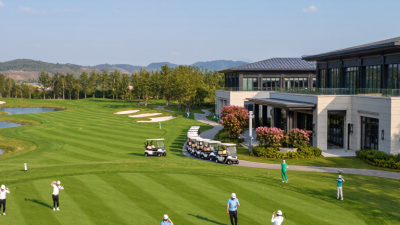
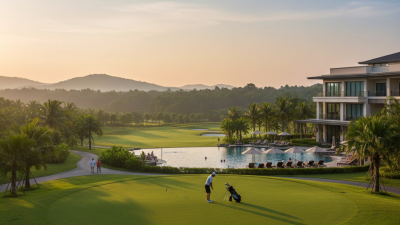
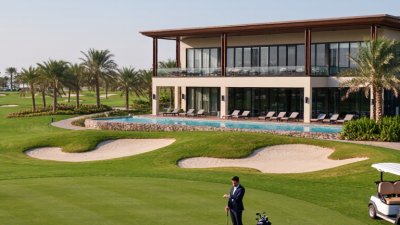
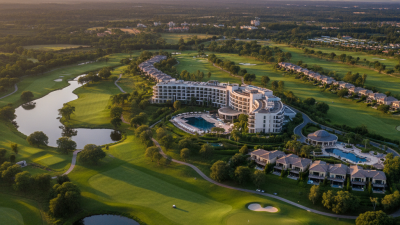
China is becoming an increasingly interesting golf destination for international buyers seeking lifestyle, leisure, and long-term hospitality opportunities. From Hainan’s tropical coastline to Yunnan’s mountain landscapes, each region offers a different interpretation of the modern golf resort. Climate, course design, airport access, and nearby tourism infrastructure can strongly influence buyer interest.
A closer look should begin with real-world experience. Walk the fairways in different seasons. Check morning humidity, drainage after heavy rain, and travel times from major airports. A beautiful course means little if guests face poor roads or limited medical services. In Hainan, coastal views and warm weather attract holiday golfers. In Guangdong, established business networks and urban access may support stronger weekday demand. Yunnan offers dramatic scenery, although altitude and seasonal weather require careful planning.
Reliable research matters.
Global buyers should compare verified operating data, local development conditions, service standards, and applicable ownership rules. Professional legal, financial, and property advice remains essential before any commitment. Marketing language can sound convincing, but occupancy figures and maintenance records deserve closer attention. Some destinations may appear ready for international growth, yet their management systems still need improvement. That is not necessarily a weakness. It is a point for honest evaluation.
This guide examines China’s leading golf resort destinations through the lens of location, investment practicality, visitor experience, and future potential. The strongest choice may not be the most luxurious one. It may be the destination that combines access, reliable operations, distinctive scenery, and realistic expectations.
China’s Golf Resort Market in Context: 41,000+ Global Facilities, R&A 2023
China’s golf resort market deserves a global comparison. In 2023, international golf data recorded more than 41,000 facilities worldwide. That figure shows the market’s scale, but it does not measure quality, access, or investment value.
For overseas buyers, China offers contrasting resort environments. Coastal areas may provide mild winters and stronger tourism demand. Inland destinations can offer lower land costs and quieter surroundings. A practical review should examine course conditions, nearby airports, water availability, and local planning rules. Walk the property after heavy rain. Drainage problems often remain invisible during a sunny inspection.
Local experience matters. A resort may look impressive in photographs, yet maintenance costs can change the entire investment case. Ask for several years of operating records, not only projected returns. Check visitor numbers by season, membership stability, and the condition of villas or hotel facilities. More than 41,000 global facilities create useful benchmarks, but China’s regional differences limit simple comparisons.
Some assumptions may prove wrong. A famous tourism city does not guarantee steady golf demand. A cheaper location may also lack international transport or experienced staff. Buyers should use independent legal, technical, and financial advice before making decisions. Small details matter. Turf quality, irrigation records, road access, and nearby construction can shape long-term performance.
China Top Golf Resort Destinations for Global Buyers?
China’s golf market in context: selected leading golf markets by number of golf facilities.
Facility scale can help global buyers compare destination depth, while resort quality and access require additional due diligence.
Source: The R&A, Golf Around the World 2023. The report recorded more than 41,000 golf facilities globally.
Figures shown are facility counts for selected markets and are not resort or hotel counts.
Hainan: Tropical Golf Resorts, 18-Hole Supply, and International Buyer Fit
Hainan appeals to international golf buyers through warm weather, coastal scenery, and a growing leisure infrastructure. Tropical golf resorts can support year-round play, although seasonal rain may affect schedules. The best communities combine an 18-hole course with practical access, medical services, dining, and airport connections. Distance matters more than glossy renderings suggest.
An 18-hole supply offers a fuller experience than compact practice facilities. Buyers can evaluate course design, drainage, turf quality, maintenance standards, and tee-time availability. During a site visit, inspect fairways after heavy rain, not only under clear skies. Ask how irrigation water is managed and how frequently major repairs occur. Small details reveal long-term operating quality.
International buyer fit requires careful review. Confirm residency options, purchase structures, usage rights, fees, and resale conditions with qualified local advisers. Regulations and transaction procedures can change. Do not rely on translated marketing material alone. Hainan may suit buyers seeking lifestyle value, but it may not fit those expecting effortless rental income or constant tournament activity. The tropical setting is persuasive. It is also easy to overestimate. A beautiful view cannot replace transparent costs, reliable management, and realistic personal use.
Yunnan: High-Altitude Courses, Seasonal Playability, and Climate Data
Yunnan offers a different proposition for international golf buyers: altitude, mild temperatures, and sharply changing seasons. The R&A’s Golf Around the World 2023 report recorded 66.6 million golfers globally, suggesting strong demand for distinctive destinations. Yunnan can serve that demand, but course access must match climate reality.
Long-term data from the China Meteorological Administration places Kunming near 15°C annually, with most rainfall arriving between May and October. Lijiang is cooler, averaging roughly 13°C, and sits above 2,400 metres. November through April usually brings drier fairways, clearer skies, and crisp mornings. Afternoon storms can still interrupt play. The calendar is imperfect. Buyers should review monthly rainfall, frost risk, drainage quality, and sunrise times before committing.
Altitude changes strategy.
USGA research and equipment guidance show that lower air density increases ball carry at elevation. Around 1,900 to 2,400 metres, players may see noticeably longer shots, but the exact gain depends on temperature, humidity, and swing speed. Test clubs locally. Do not rely on sea-level yardages. The World Health Organization also warns that ultraviolet exposure increases with elevation, making shade, hydration, and early tee times practical considerations. From direct course assessment, the best layouts combine firm drainage, sheltered walking routes, and flexible tee positions. Some fairways may look playable after rain, yet remain soft below the surface. That detail is easy to miss.
Greater Bay Area: Resort Access, 18-Hole Inventory, and Global Connectivity
The Greater Bay Area is becoming a practical base for golf-focused buyers. It combines coastal resorts, dense urban services, and short regional travel times. The R&A’s Golf Around the World 2023 report lists more than 600 golf facilities in China. Yet national supply does not prove local quality.
Buyers should inspect true 18-hole inventory, not only promotional images. A proper review checks course length, maintenance records, flood resilience, practice areas, and seasonal tee-time access. Some resorts look complete on paper. Reality can be less polished. Access matters more than a dramatic clubhouse.
Hong Kong International Airport handled about 53 million passengers in 2024, according to airport industry statistics. Regional airports and cross-boundary transport add further reach across Guangdong, Hong Kong, and Macao. The R&A’s 2023 participation report recorded 66.6 million golfers across 206 countries and regions, showing a broad international market. However, global buyers still need verified travel times, visa requirements, local ownership rules, and resale evidence. A 40-minute map estimate may become 90 minutes during rain or holiday traffic. That detail can change the resort’s investment appeal.
Buyer Due Diligence: Water Use, Licensing, HOA Fees, and Five-Year ROI Metrics
For global buyers comparing China’s top golf resort destinations, due diligence should begin with water, not scenery.
A polished fairway may hide seasonal restrictions, recycled-water limits, or rising treatment costs.
I request twelve months of irrigation records, drought plans, and written confirmation of supply rights.
Local environmental agencies and qualified legal advisers should verify every document.
Verbal assurances are not enough.
Licensing needs equal attention.
Confirm land-use approval, construction permits, operating licenses, and the property’s permitted use. Check whether foreign ownership rules affect the purchase structure. Review the homeowners’ association documents carefully.
Monthly fees may cover security and landscaping, while special assessments can fund drainage repairs or clubhouse renovation.
Ask for three years of budgets, meeting minutes, and unpaid-fee records.
Small fees become expensive over time.
A five-year ROI model should include purchase taxes, furnishing, maintenance, insurance, management, vacancy, and resale costs.
Compare conservative rental income with actual occupancy evidence from similar units. A mountain course may offer cooler summers but weaker winter demand. Coastal homes may attract more visitors, yet storm repairs can reduce returns.
I once trusted an optimistic occupancy forecast; the spreadsheet looked precise, but the assumptions were thin.
Build low, middle, and high scenarios. Also test a ten percent fee increase and a six-month resale delay.
The result may be less attractive, but it will be more honest.