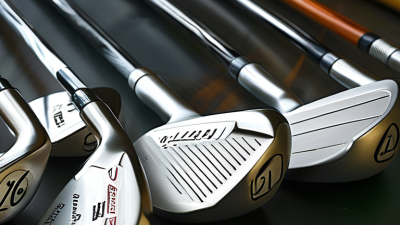
China Top 10 Golf Play Equipment Suppliers
China’s golf play equipment industry serves golf clubs, family entertainment centers, resorts, schools, and indoor activity venues worldwide. This guide introduces ten notable Chinese suppliers and explains what makes each one worth considering. The focus is not only on product variety, but also on manufacturing consistency, safety documentation, customization, and after-sales support.
A reliable supplier should provide clear material specifications, stable production samples, and practical installation guidance. Buyers should inspect details such as frame thickness, surface finishing, ball-return design, and impact resistance. These features affect daily maintenance and player experience. They also influence long-term operating costs.
The selected companies represent different strengths, including miniature golf systems, interactive training equipment, putting platforms, and complete golf play solutions. Some manufacturers may excel at custom layouts, while others offer stronger standardization or faster delivery. These differences matter.
Evidence matters more than impressive catalog images.
Where possible, supplier assessments should consider factory capabilities, quality-control procedures, export experience, and customer feedback. Certifications can support confidence, but they do not replace product inspection or clear contract terms. Buyers should confirm production timelines, spare-part availability, packaging standards, and installation responsibilities before placing an order.
This overview aims to support careful comparison rather than promote a single “best” choice. Supplier rankings can change as capacity, technology, and service quality develop. That is an important limitation. A suitable partner must match the project’s budget, venue size, target players, and local compliance requirements. With practical checks and realistic expectations, buyers can choose golf play equipment that performs safely and consistently.
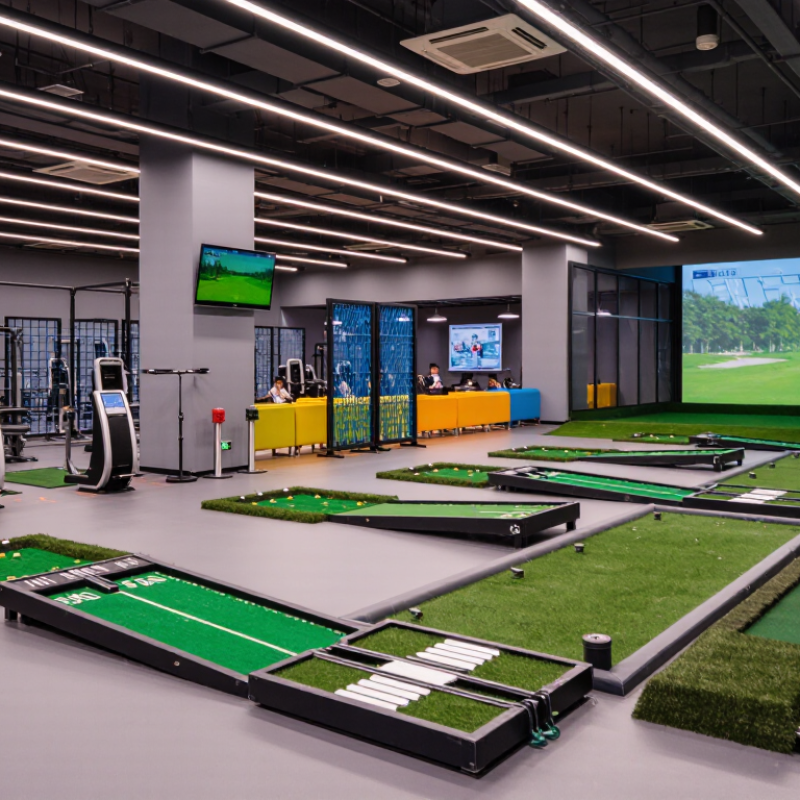
China’s Golf Equipment Manufacturing Landscape
China Top 10 Golf Play Equipment Suppliers
China’s golf equipment manufacturing landscape combines mature production with fast product iteration. The R&A’s Golf Around the World 2023 report recorded 66.6 million golfers across 206 countries. This expanding participation supports demand for clubs, balls, bags, gloves, training aids, and course accessories.
Chinese suppliers often operate through specialized clusters. One factory may focus on club heads, while another handles shafts, grips, or precision packaging. Export-oriented facilities commonly use CNC machining, robotic polishing, laser marking, and automated inspection. These details matter. Small weight differences can change swing balance and player feedback.
The advantage is real, but not complete. A supplier may deliver attractive samples, then struggle with stable batch quality. Buyers should request material certificates, tolerance records, impact testing, and production photographs. The International Trade Centre and UN Comtrade classify golf clubs and balls under HS codes 950631 and 950632, helping buyers review trade patterns by market. Grand View Research also identifies continued global growth in golf equipment demand, supported by participation and premium product upgrades. Forecasts are useful, though not perfect. They cannot replace factory audits, independent testing, or clear communication about tooling costs. Reliable suppliers explain limitations before signing a production agreement.
China Top 10 Golf Play Equipment Suppliers — China’s Golf Equipment Manufacturing Landscape
Material engineering reference for golf equipment manufacturing in China. The chart uses physical material-density data rather than company or brand information.
Titanium is widely selected for lightweight clubheads, stainless steel for durable irons and putter components, aluminum for lightweight parts, and carbon-fiber composites for shafts and structural applications. Density values are representative engineering values at room temperature.
Profiles of China’s 10 Leading Golf Equipment Suppliers
China’s golf equipment sector includes manufacturers serving clubs, training centers, retailers, and private-label buyers. This profile reviews ten leading supplier types through practical factors: production experience, material control, testing, customization, and export reliability.
Several suppliers focus on forged irons and precision wedges. Their workshops often show CNC machines, measured grooves, and repeated hardness checks. Others specialize in lightweight carbon shafts, where balance and flex must remain consistent across a batch. One group produces golf bags with reinforced bases, waterproof fabric, and quiet zippers. Another concentrates on electric trolleys, testing wheel traction on ramps and wet surfaces. There are also suppliers for gloves, balls, training aids, club heads, grips, carts, and practice nets. These categories reveal different strengths. A factory making excellent bags may not understand shaft performance. That distinction matters.
Tips: Request production samples before placing a large order. Check swing weight, grip comfort, stitching, and packaging damage. Ask for inspection records and material specifications. A video tour helps, but it is not proof. Independent testing remains safer. Compare delivery promises with previous shipment records. Some suppliers communicate well but document poorly. That weakness deserves attention. Buyers should also examine mold ownership, replacement parts, warranty handling, and response time after a defect appears. I would test several units in realistic conditions, not only under bright showroom lights. A polished sample can hide uneven finishing. Supplier selection should be based on repeatable evidence, not impressive photographs.
Product Categories and Manufacturing Capabilities
China Top 10 Golf Play Equipment Suppliers
China’s top ten golf play equipment suppliers typically cover several product categories.
These include golf clubs, practice balls, carry bags, trolley carts, hitting mats, practice nets, putting systems, and indoor simulator accessories. Some factories also produce training aids, protective covers, and custom storage equipment. Buyers should compare categories carefully, because a strong club manufacturer may not excel at textile bags or electronic systems.
Manufacturing capabilities vary widely.
Metal-focused suppliers often use CNC machining, forging, casting, polishing, and precision loft adjustment. Composite specialists may form carbon-fiber shafts and lightweight club components. Other factories rely on injection molding for ball markers, training tools, and protective parts. Bag manufacturers usually combine automated cutting with skilled stitching.
I have found that sample inspection reveals more than a polished catalog. Check seam strength, grip texture, surface coating, weight balance, and packaging protection.
Quality control should include material verification, dimensional testing, impact checks, and production-stage inspections.
Suppliers with OEM and ODM experience can adjust colors, materials, packaging, and performance specifications. However, customization may increase minimum order quantities and delivery time.
No supplier is perfect. Some factories communicate well but document testing poorly. Others provide strong samples but inconsistent mass production. Request production records, recent inspection reports, and clear acceptance standards before placing an order. A factory visit, when practical, can reveal workflow gaps that online meetings miss.