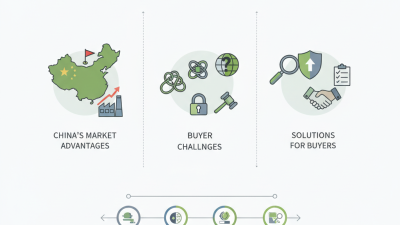
China has become a practical sourcing destination for global golf course resort projects. Its suppliers now support irrigation systems, turf equipment, clubhouse furniture, golf carts, lighting, landscaping, and prefabricated facilities. However, a polished catalog proves little. Real reliability appears during installation, testing, maintenance, and seasonal pressure.
Arnold Palmer once said, “The more I practice, the luckier I get.” His words reflect a valuable purchasing principle. Experienced buyers should examine a supplier’s repeated performance, not only its first quotation. Ask for completed project references, factory photographs, product certifications, warranty terms, and maintenance records. A serious supplier can explain drainage capacity, grass compatibility, corrosion resistance, delivery schedules, and replacement-part support. Specific answers matter.
Climate changes the decision.
A coastal resort may need stronger corrosion protection. A northern destination may require frost-resistant irrigation components. A humid site may expose weak turf-management planning within one season. Buyers should compare technical drawings, sample materials, inspection procedures, and after-sales response times. Video meetings help, but site visits reveal more. Sometimes, the factory floor looks less impressive than expected. That is worth noticing, not hiding.
This guide introduces leading China golf course resort suppliers for international buyers. It considers manufacturing experience, customization capability, project coordination, export familiarity, and long-term service. No shortlist is flawless. Some suppliers communicate well but lack deep resort experience. Others offer excellent products but weak documentation. Careful verification remains essential. The strongest partnership balances price, performance, transparency, and practical support from the first design discussion to daily resort operations.

China’s golf course resort supplier landscape covers a wide range of capabilities. Suppliers may provide course planning, turf systems, irrigation equipment, clubhouse furnishings, lighting, and maintenance tools. Global buyers often value flexible production, competitive pricing, and experience with international projects. However, capacity alone does not prove reliability.
A practical review should examine technical drawings, material samples, factory quality records, and previous export experience. Ask how suppliers manage drainage, water pressure, heat, humidity, and seasonal maintenance. A coastal resort may need corrosion-resistant fittings, while an inland course may require stronger irrigation planning. Details decide. Third-party inspections can verify dimensions, packaging, and production consistency before shipment. Yet documents can look perfect while communication remains slow. That risk deserves attention.
Tips: Compare at least three suppliers using the same specification sheet. Request sample approval before large orders. Confirm lead times in writing, including replacement parts and after-sales support. Check whether installation guidance is available in clear English. Visit a production site when possible, or arrange an independent audit. Do not judge a supplier only by the lowest quotation. A cheaper pump, lamp, or furniture material may create higher maintenance costs later. Buyers should also consider local climate, labor skills, and water availability. No supplier fits every resort. That is easy to forget.

Chinese golf course resort suppliers support global buyers with more than basic construction materials. Their core products often include artificial turf, natural grass seed, drainage systems, irrigation equipment, sand bunkers, practice nets, golf carts, clubhouse furniture, and course lighting. Some suppliers also produce custom signage, maintenance tools, ball washers, and weather-resistant outdoor fixtures.
Experienced suppliers usually provide course planning and layout assistance. They may review drawings, soil conditions, rainfall data, and daily player capacity before recommending products. Technical teams can guide turf installation, irrigation testing, and lighting placement. Buyers should request material samples, product specifications, test reports, and clear packing details. Small spare parts matter. A missing valve can delay an entire maintenance schedule.
Many Chinese suppliers offer OEM manufacturing, private-label packaging, export documentation, and installation support. Remote training may cover mower operation, irrigation adjustment, turf repair, and seasonal maintenance. Some suppliers arrange on-site engineers, although availability and response times should be confirmed in writing. A low quotation can hide weaker components or limited after-sales service. No supplier gets every detail right, so trial orders and staged inspections remain practical. Buyers may also compare warranty terms, replacement procedures, and communication speed before signing larger contracts.
China Top Golf Course Resort Suppliers for Global Buyers
Global buyers should evaluate suppliers beyond attractive samples and low quotations. The R&A’s Golf Around the World 2023 recorded 66,646 golf courses across 206 countries. This scale demands consistent quality, clear documentation, and stable after-sales support. The National Golf Foundation reported 28.1 million on-course golfers in the United States during 2023. Resort projects therefore need products that survive frequent use, weather exposure, and public contact.
Request material certificates, inspection records, and product test reports before signing a contract. Check whether certificates match the exact factory, product model, and production scope. ISO 9001 supports quality management, while ISO 14001 helps assess environmental controls. Compliance must also reflect the destination market, including electrical safety, chemical restrictions, packaging rules, and accessibility requirements. A certificate alone proves little. Verify its validity independently.
Production capacity needs physical evidence. Ask for monthly output, machine lists, staffing levels, lead-time records, and recent delivery performance. Compare a factory’s claimed capacity with its actual shipment history. Inspect welding, coating thickness, stitching, drainage, and carton protection. For outdoor equipment, test corrosion resistance and repeated assembly. The sample may look excellent. Mass production can still drift. An independent pre-shipment inspection reduces that risk, although it cannot replace factory audits. Buyers should also examine contingency plans for material shortages and equipment failure. Perfect projections are rare; documented recovery plans are more credible.
| Evaluation Dimension | Key Indicators | Recommended Evidence | Practical Benchmark for Global Buyers | Suggested Weight |
|---|---|---|---|---|
| Product Quality Management | Documented inspection procedures, quality control points, nonconformity handling, and corrective actions | Quality manual, inspection records, corrective-action reports, and recent internal-audit records | A documented quality system covering incoming materials, production, final inspection, and shipment release | 15% |
| Quality Management Certification | Independent certification and scope relevant to the supplied products or services | Valid certificate, certification scope, issuing body, expiry date, and verification link or audit confirmation | ISO 9001:2015 certification may be considered useful evidence when its scope covers the relevant manufacturing activities; certification should not replace product testing | 10% |
| Material and Component Control | Material specifications, supplier approval, batch traceability, and storage conditions | Approved-material list, certificates of analysis, purchase records, batch codes, and warehouse inspection logs | Critical materials should be traceable from purchase order through production and final shipment | 10% |
| Product Testing and Durability | Dimensional accuracy, load performance, corrosion resistance, weather resistance, safety, and service life | Product test reports, sample inspection, third-party laboratory reports, and approved pre-production samples | Test methods and acceptance limits should be defined in the purchase specification before mass production | 15% |
| Regulatory Compliance | Country-specific product safety, electrical, chemical, environmental, labeling, and packaging requirements | Applicable declarations, test reports, technical files, labels, safety data sheets, and import documentation | Compliance must be assessed against the destination market and product category; CE, RoHS, REACH, or other requirements apply only where relevant | 15% |
| Environmental and Social Responsibility | Energy use, waste management, restricted substances, worker safety, working hours, and grievance procedures | Environmental permits, waste records, safety training logs, social-audit reports, and supplier code of conduct | ISO 14001:2015 or ISO 45001:2018 may support evaluation when the certificate scope is relevant; verify actual site practices separately | 10% |
| Production Capacity | Available equipment, production lines, workforce, shift pattern, utilization, and subcontracting dependence | Capacity statement, equipment list, production records, staffing plan, and on-site or video audit | Capacity should be demonstrated using the same product type, specification, and quantity as the buyer’s forecast | 10% |
| Lead Time and Delivery Reliability | Sampling time, production lead time, shipment readiness, schedule control, and historical on-time delivery | Order history, production schedule, logistics records, and agreed milestone plan | Use written milestones for sample approval, material purchasing, production completion, inspection, and shipment; do not rely on an unverified standard lead time | 10% |
| Customization and Engineering Capability | Design support, drawings, tooling, prototypes, engineering change control, and installation guidance | Technical drawings, prototype records, bill of materials, revision history, and sample approval documents | All custom dimensions, finishes, interfaces, tolerances, and installation requirements should be approved in writing before production | 5% |
| Packaging and Export Readiness | Protection against moisture, impact, corrosion, and handling damage; export marks and documentation | Packaging specification, drop or handling test records where applicable, packing list, commercial invoice, and shipping marks | Packaging should match the transport route, storage conditions, container loading plan, and destination handling requirements | 5% |
| Total Evaluation Weight | 100% | |||
Buyer note: The benchmarks above are evaluation guidelines rather than claims about any individual supplier. All certificates, test reports, production figures, and compliance documents should be independently verified for the specific product, factory site, and destination market.
International buyers should begin with a clear sourcing brief for China-based golf course resort suppliers. Define the project size, climate, terrain, guest capacity, and target opening date. Include measurable requirements for turf systems, irrigation, clubhouse furniture, lighting, and maintenance equipment. Vague requests create slow quotations and hidden cost differences.
Request company profiles, production evidence, technical drawings, and recent project references. A reliable supplier should explain material grades, testing methods, warranty limits, and replacement procedures. Ask for samples before approving large quantities. Check packaging details, moisture protection, container loading, and installation support. Small details matter.
Our first sourcing request was too broad. It produced attractive prices but weak technical comparisons. A revised spreadsheet worked better. We compared unit costs, lead times, certifications, spare parts, and after-sales response times. Independent inspections can verify dimensions and surface quality before shipment. Local engineers should also review drainage, soil conditions, and electrical standards. A supplier may be experienced, yet still unsuitable for a specific resort site. Contracts should record tolerances, delivery milestones, payment stages, and remedies for delays. Keep communication documented. Mistakes become expensive when assumptions remain informal.
A reliable golf resort supplier must manage more than equipment production. The R&A reported over 43,000 golf facilities worldwide in its Golf Around the World 2023 report. That scale demands clear contracts, stable logistics, and repeatable installation methods. Buyers should define product specifications, approved materials, delivery milestones, inspection rights, and warranty responsibilities. Payment terms should match measurable progress, not promises alone.
A perfect schedule is unrealistic.
Shipping requires practical preparation. UNCTAD reports that maritime transport carries over 80% of global merchandise trade by volume. Suppliers should provide seaworthy packing, container loading photos, commercial invoices, packing lists, and accurate customs classifications. Incoterms must be written into the contract. Port delays, weather, and local clearance rules can still disrupt delivery.
One detail is often missed: spare parts should travel with the original shipment.
Installation quality affects putting surfaces, irrigation, lighting, and player safety. Experienced teams should issue foundation drawings, utility layouts, method statements, and commissioning records before arrival. Local technicians need clear training, especially for electrical and irrigation systems. After-sales support should include response times, remote diagnosis, replacement-part availability, and scheduled maintenance guidance. The International Golf Federation notes that course performance depends heavily on consistent playing conditions, not only visual design. Buyers should request reference projects and measurable service commitments.
Some suppliers underestimate follow-up work. That weakness deserves careful checking.
© 2022-2025 Pelican Lakes Resort & Golf, All rights reserved | Privacy Policy
BROUGHT TO YOU BY THE WATER VALLEY COMPANY